The walking pad can be described as a motorized treadmill designed for single use to facilitate walking at a slower, steady pace while working, answering calls, or watching something without needing an independent workout space. It fits neatly underneath any desk that stands upright before folding flat to fit under beds or sofas when not needed – its ease of use being one reason the category has become such a hit! But it’s also why the market is confusing. Search “walking pad,” and you’ll find health sites praising it, review sites ranking a dozen near-identical models, and retailers making calorie-burn claims that don’t quite hold up under scrutiny. This guide sorts through all of it.
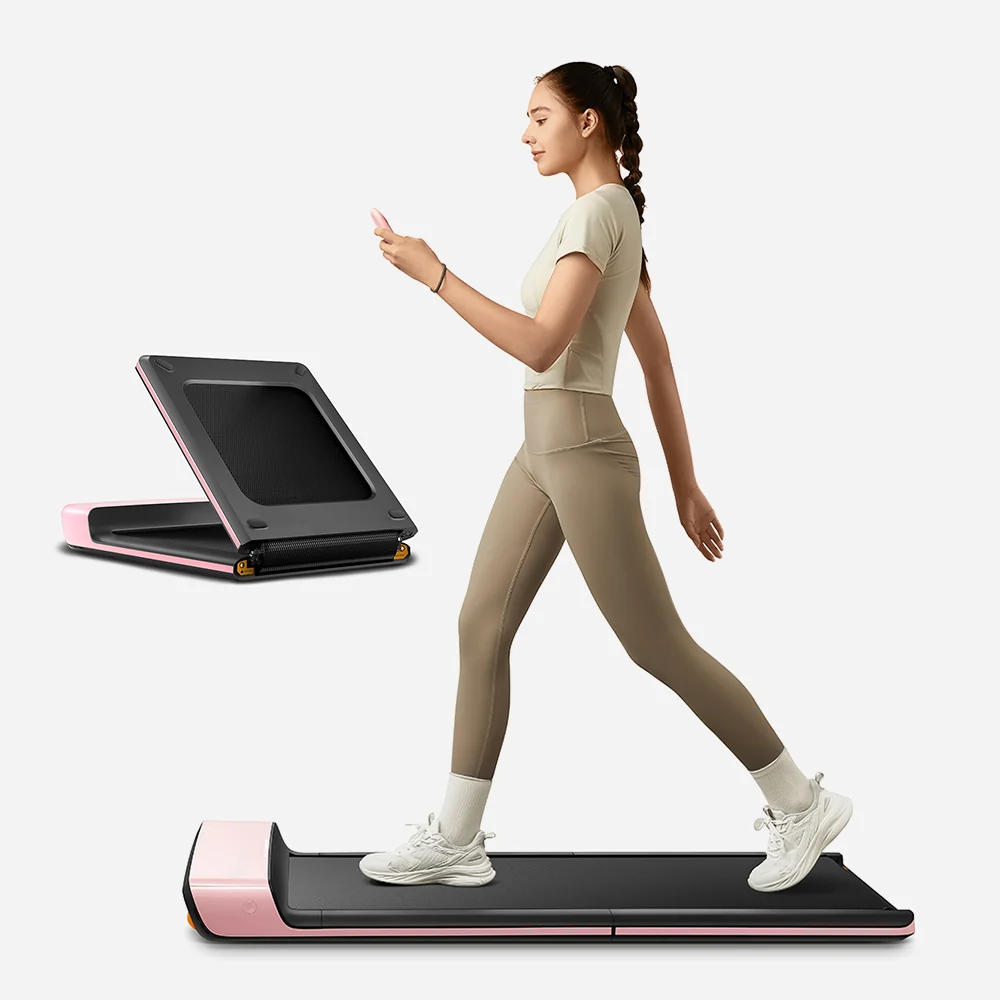
What Exactly Is a Walking pad?
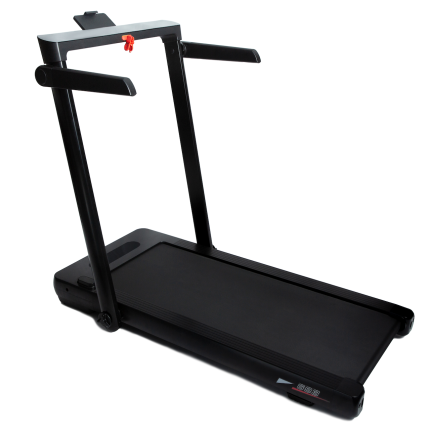
A walking pad, also called a walking pad or under-desk treadmill, is a treadmill with a low profile specifically designed for walking speeds generally between 0.5 and 4 miles per hour. In contrast to a treadmill that is fully functional, it does not include its console, rails on the sides, or a high-speed motor. All that’s left to do is create a deck that’s flat, typically between 4 and 7 inches in height, which is sufficient to slide beneath furniture.
Today, most models have the following features that are common to all models:
- Brushless DC motors typically range from 1-3.775 HP.
Auto-sensing “walk mode,” which adapts speed based on where you stand on the belt. A remote control or companion app for manual speed changes and start tracking - An LCD or LED display with the time, distance, steps, and calories estimated. The weight limit generally is between 220 and 325 lbs.
Certain newer “2-in-1” hybrid models push speeds of up to 6 miles per hour for light jogging. They also have a removable handlebar. But the core category is, and remains, a walking-pace tool — not a running machine.
Walking pad vs. Treadmil vs. Treadmill Desk
| Feature | Walkpad | Traditional Treadmill | Treadmill Desk |
| Max Speed | 0.5–4 mph (up to 6 mph for hybrids) | 10–12 mph | 0.5–4 mph |
| Incline Range | None, or slight on some models | 0–10%+ | Usually none |
| Handrails | Rare or detachable | Standard | Rare |
| Storage | Slides and folds under furniture | Fixed footprint | Fixed footprint |
| Price Range | $150–$1,000 | $500–$3,000+ | $1,000–$3,000+ |
| Best For | Light movement during desk work | Structured cardio training | A dedicated walking-while-working setup |
If you want a fun way to add exercise into your desk-bound life without leaving, walking pads can be the solution. If you want a fun way to add exercise into your desk-bound life without leaving, walking pads can be the solution. If you’re training for a race, it isn’t — a real treadmill with incline and higher speeds will serve you better.
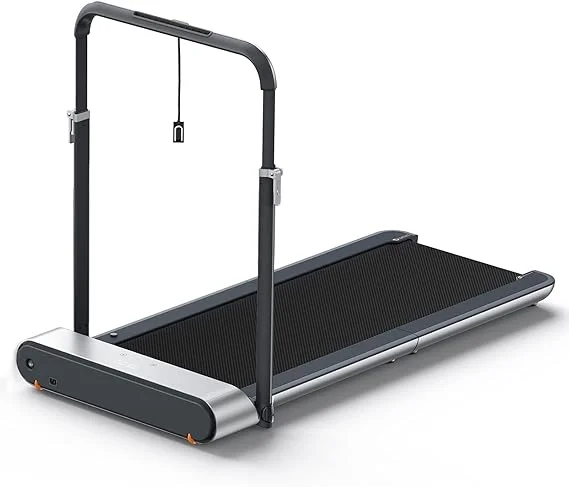
Who Actually Benefits From One
A walking pad tends to make the most sense for:
surgery, or certain cardiovascular conditions: check with a doctor first, since most walkpads don’t have handrails to catch a stumble. Parents of children or pets must be aware of unsupervised access to moving belts.
What the Research Actually Says
This is where a lot of walking pad marketing overreaches, so it’s worth being precise.
The basis of the concept is NEAT -the term is derived from Non-Exercise Activity Thermogenesis, a term invented by Dr. James Levine, an endocrinologist at the Mayo Clinic who pioneered the treadmill desk concept. NEAT encapsulates all the energy that your body expends by doing everyday movements that aren’t an exercise routine: walking and fidgeting, standing or running around during a call.
A meta-analysis from 2021 in BMC Public Health, which collected information from 13 studies focusing on active workstations, revealed that walking on a pad boosts the amount of energy expended by 85 kcal per hour when compared to sitting. It’s a tangible, real impact, but it’s not significant. It’s not going to replace exercise, as short-term studies (12 days or less) generally have found little or no changes in the harder clinical indicators like the percentage of body fat, blood pressure, fat percentage, as well as blood glucose.
What do you notice more often: less time spent sitting, increased daily steps taken, as well as self-reported improvement in focus, mood, and stiffness due to sitting for a long time? Those are legitimate benefits — not the “burn 1,000 calories effortlessly” pitch some product pages lean on.
The honest takeaway: a walking pad is a tool for reducing sedentary time and adding low-intensity movement to your day. It’s not a weight-loss shortcut, and it works best alongside — not instead of — reasonable eating habits and other exercise.
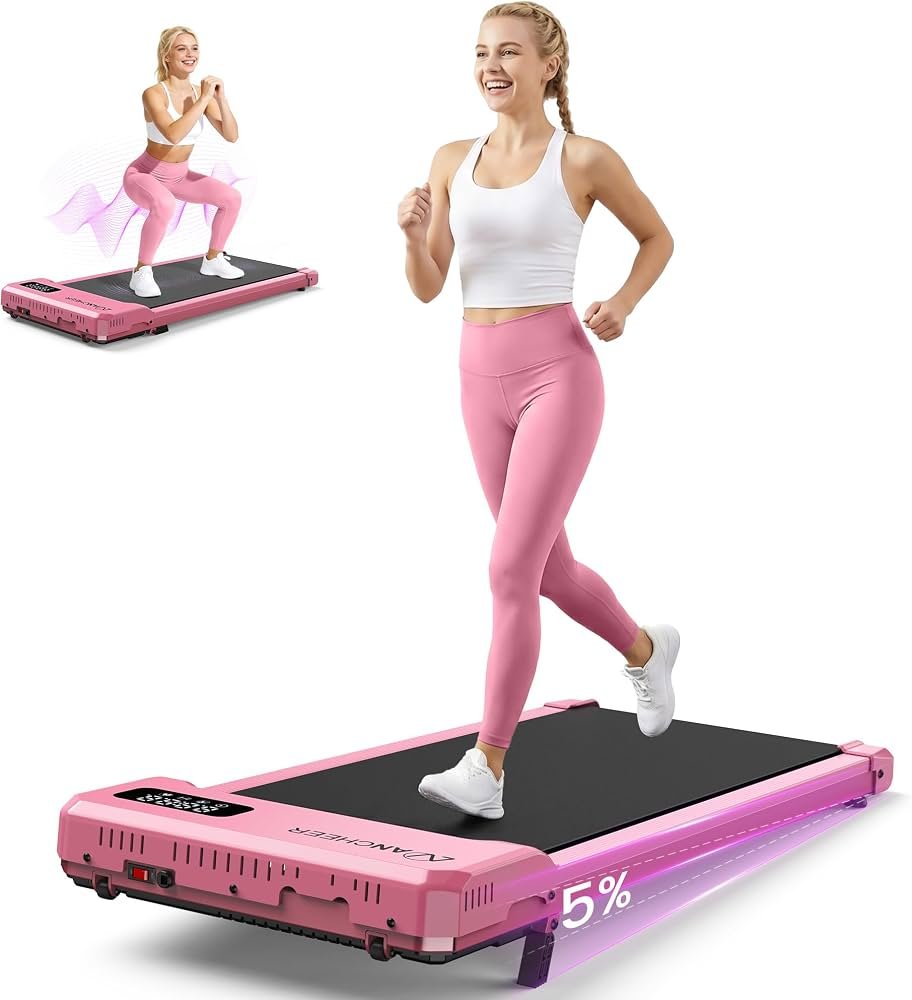
Types of Walking pads
| Type | What It Offers | Best For |
|---|---|---|
| Basic flat walking pad | Fixed or foldable deck, walking speeds only, no incline | Budget buyers, minimal space |
| Foldable walking pad | Hinges flat for vertical or under-furniture storage | Small apartments |
| Incline walking pad | Manual or motorized incline, usually 3–15% | Added intensity without more speed |
| 2-in-1 hybrid | Speeds up to 5–6 mph, sometimes a removable handlebar | Walking plus occasional light jogging |
| Handrail/console model stability bars, which are closer to a compact treadmill. People who value safety more than | ||
| How to Select One: An Approach. As opposed to listing brands when making your decision, try asking these questions when selecting products: 1. What purpose will this product serve? and 2. For whom is this item intended? | ||
| Desk walking only → a basic or foldable model is enough. Want occasional jogging too → look at a 2-in-1 hybrid. |
1.Does the belt fit your stride?
Belts under 40 inches may prove uncomfortable for individuals five feet 10” or taller; for their own comfort, it would be prudent to choose something between 43-47 inch sizes for maximum enjoyment.
2.Does your body weight leave margin under the capacity rating?
Don’t buy right at the ceiling of the weight limit — staying comfortably under it protects the motor and belt over time.
3.Are the fitting belts suitable for your stride?
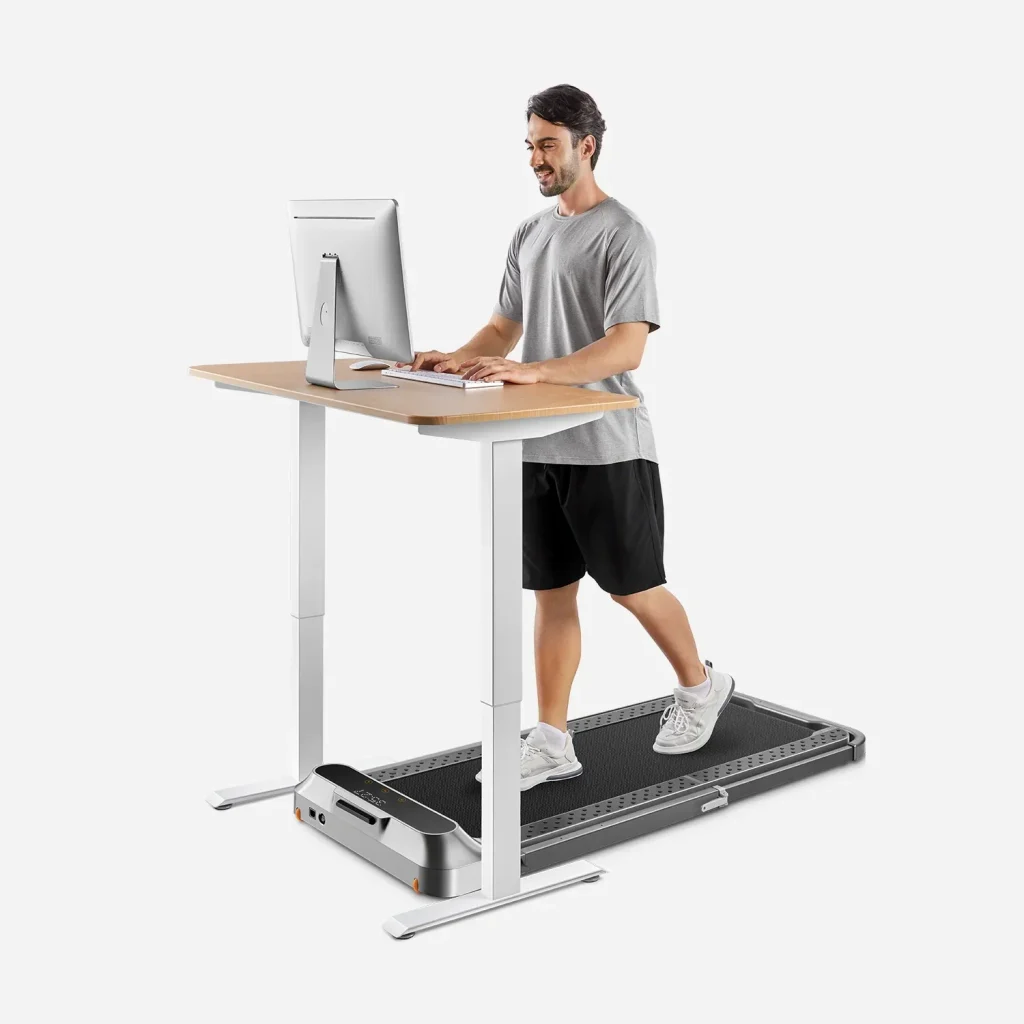
Measure the clearance under your standing desk at its lowest setting — most walking pads need 4 to 7 inches when stored. For actual use, most people need a desk that adjusts to roughly 42–48 inches, depending on height and the walkpad’s deck thickness.
4.How much noise can your space tolerate?
If you’re on video calls often, look for a rating under 45 dB. Mid-range and premium models generally fall between 35 and 55 dB at walking speed — about the volume of a quiet conversation.
Pros and cons in a quick overview:
Pros are: small and compact, silent enough for all calls, effectively improves daily activity, usually less expensive than a treadmill.
Cons: Some limitations: only walking speeds for most models, fewer safety features than a full treadmill, and poor build quality across the various budget models. It’s only useful in conjunction with (or if you intend to buy) an upright desk.
Pricing: What You Actually Get at Each Level
| Tier | Price Range | What’s Typically Included |
|---|---|---|
| Budget | $130-$250 | Basic flat belt, shorter belt length, minimal display |
| A thing to know prior to shopping: The market is moving fast. Many models that once led the pack have since 2026 become outdated or have been discontinued altogether. Brands have replaced them with updated models with similar prices. If the “best of” list you’re looking at feels outdated, make sure you check the live list before you assume that the pricing or availability is accurate. |
A note on Brands
WalkingPad (made by KingSmith) is one of the original names in the category and spans budget to hybrid models. UREVO and Goplus are common mid-range picks, often praised for balancing price and build quality. DeerRun has created an industry niche in motorized inclines at affordable pricing, where as Merach and a handful of newcomers are aiming at the top market with quieter motors and steeper inclines. Brands that sell retail-branded products from companies such as Sharper Image or CITYSPORTS tend to fall in the budget to mid-range.
Instead of shopping based on the brand name, you can compare the dimensions of your belt, motor horsepower, noise level, the incline range, the weight capacity, and the length of warranty one-to-one. These specs will tell you much more about the brand than it.
Safety: What to Actually Watch For
Independent testing, including evaluations from Consumer Reports using methodology similar to full-size treadmill testing, has found real variation in build quality across this category — some budget units performed poorly enough to raise genuine safety concerns. A few practices reduce risk significantly:
- Use the safety clip or key if your model includes one; it cuts power if you step off unexpectedly
- Keep children and pets away from the unit while it’s plugged in
- Start at the lowest speed and increase gradually over your first few sessions
- Wear supportive, closed-toe shoes — never walk barefoot or in socks
- Don’t exceed the rated weight capacity
- Check the belt periodically for fraying or sagging
If you have balance concerns, a recent injury, or a cardiovascular condition, talk to a doctor before starting — most walking pads don’t have the handrails a full treadmill does.
Common Mistakes People Make
- Buying on price alone, without checking belt length against their height
- Skipping the desk-height math, which leads to hunching or wrist strain
- Walking too fast while typing, which raises fall risk — most people find 1–2 mph the sweet spot for focused work
- Placing it on carpet or an uneven floor, which strains the motor
- Assuming an older “best of” article reflects current pricing or stock
Getting Started
Once you’ve chosen one, you can ease into it instead of jumping into an entire walking plan the first day. Start at 0.5–1 mph while you get used to typing and walking together. Build up to 15–30-minute blocks over a couple of weeks, and aim for consistency over speed — accumulated daily minutes matter more than how fast you’re going.
Alternatives Worth Considering
A walkpad isn’t the only option for adding movement to a desk-bound day. A standing desk alone reduces continuous sitting, even without added motion. Under-desk pedal machines offer a quieter, seated alternative. A full folding treadmill is better if you want structured workouts and have the space. And simple scheduled walking breaks cost nothing and require no equipment at all — just more discipline to stick with them.
FAQs
1.Is a walkpad worth it?
For most people who sit for long stretches during the day, yes — it meaningfully cuts sitting time and adds movement, though it’s not a substitute for structured exercise.
2.Can you lose weight with a walking pad?
NEAT can make an immediate, impactful difference in calories consumed; long-term weight loss depends on what diet plan is in place and should not be expected through dramatic breakthroughs alone.Q. What’s the fastest speed at which I can walk on a treadmill during work hours?Many individuals find 2-3 mph sufficient for typing-intensive tasks. This leaves 2.5-4 mph for reading, calls, or other less precise tasks.
3.Is a walking pad safe?
Generally yes, with proper footwear and a compatible desk setup — but build quality varies a lot by model, so it’s worth checking independent safety reviews before buying rather than relying on marketing copy alone.
4.How loud is a walking pad?
The majority of mid-range and top models range between 35 and 55 decibels at walking speed, about the level of a peaceful talk.
5.What desk height do you need for a walking pad?
Most people need a standing desk adjustable to somewhere around 42–48 inches, depending on their height and the thickness of the walking pad deck.
6.Do walking pads fold up?
Many do — foldable models hinge in half for storage under furniture or against a wall. Certain fixed-deck models are small enough that they can slide under furniture, but they do not fold down in any way.
The difference between the treadmill desk and a walking pad? A walking pad can be a standalone device that can be placed under any desk you can use. A treadmill desk is a setup that has a fixed desk surface constructed around the walk deck.
7.Can kids or pets get hurt by a walking pad?
Yes, as long as they are able to get connected to the device while it’s running or plugged in. Keep it off the grid and secure whenever not being used, particularly when you live in a home with young children. —
Conclusion
A walking pad can’t transform sedentary work into a fitness regimen by itself, but it’s certainly one of the most practical methods to bridge that gap between being seated for hours and getting enough exercise. The research backs a real, if modest, calorie and movement benefit — and the biggest risk isn’t the concept; it’s buying a poorly built model without checking belt size, noise rating, or desk compatibility first. Make sure you measure your setup, then ensure that the spec sheet matches your body and the space, and begin slowly. This is what it will take to do this right.
These information are gathered from different surveys, medical tests and tech giants like google, Techradar, nymag and more. Our top priority is to provide you valuable information.
For More Details About Different walking pad Click Here