Treadmill Buying Guide: How to Choose, Use, and Get the Most From One.
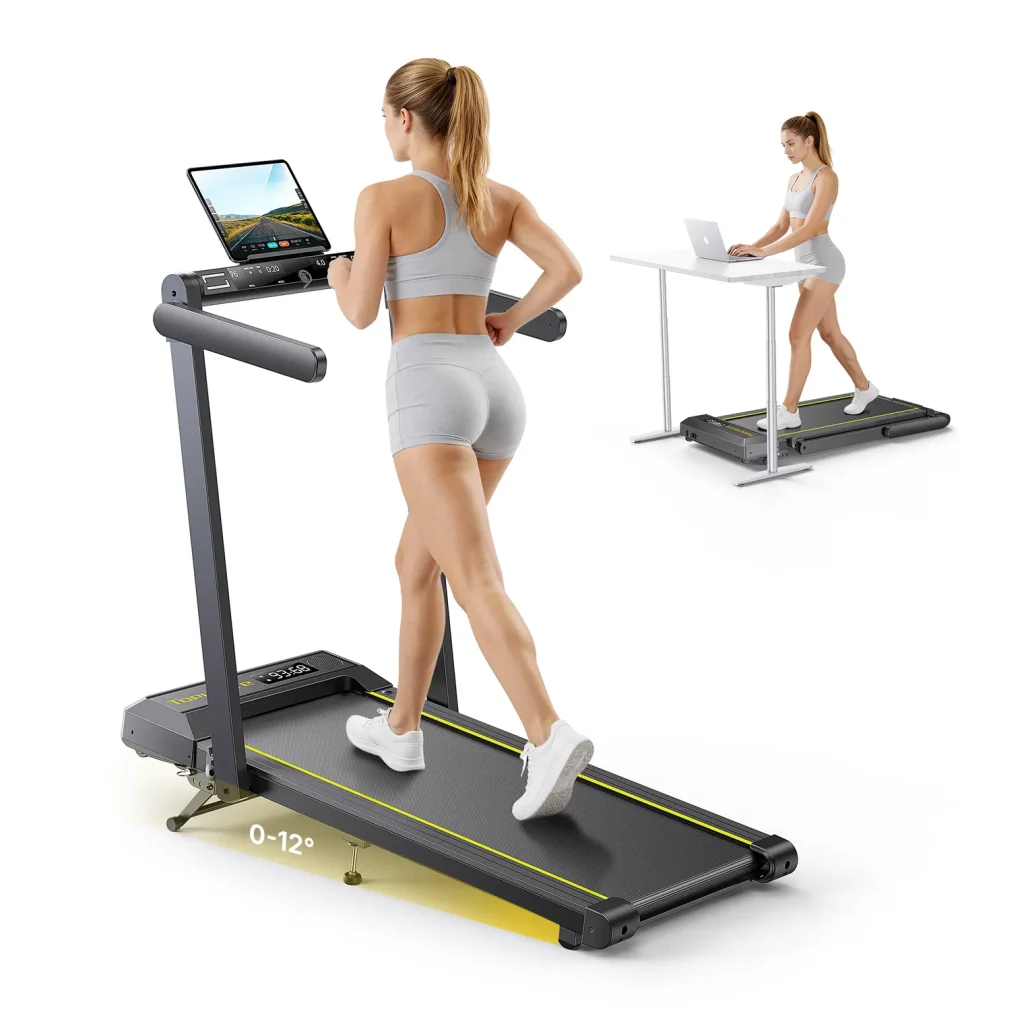
The treadmill can be described as fitness equipment equipped with a belt that moves for jogging, walking, or indoor running.It’s the most straightforward method of establishing a steady exercise routine; however, the abundance of options available -motorized, manual, folding, intelligent commercial, budget- makes it more difficult to choose one than it ought to be.
This guide skips the brand sales pitch. Instead, it explains what’s important when choosing whether to purchase one or not, what type is right for your lifestyle, and- equally important- how you can use it once it’s placed in your living space.
What Is a Treadmill, Really?
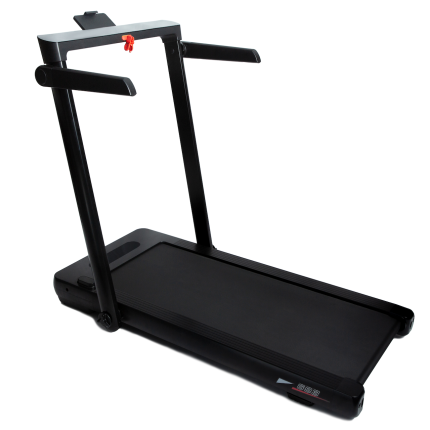
At its heart, the treadmill is a belt of movement that is driven by an electrical motor or your own footsteps. It is placed on a frame that has side rails and a console.You set your pace, get on and then walk or run on the ground while your belt moves underneath your feet.
Treadmills belong to the larger group of cardiovascular machines together with stationary bikes, ellipticals or rowing devices.What makes them stand out is the fact that they are the only machines that replicate the gait of running or walking; this is the reason why runners tend to be drawn towards them in the event that conditions outside aren’t performing as well.
Why People Buy One
- No weather or daylight excuses. A treadmill removes the two most common reasons for skipping exercise.
- Precise control. You control pace and incline exactly, which matters for structured training programs.
- Rehabilitation. Physical therapists use treadmills because speed can be dialed down to a safe, easy walking pace, and handrails provide support.
- Consistency. A treadmill folded in the corner of a bedroom is a much smaller barrier to a 20-minute walk than changing and travelling to a gym.
Who Actually Needs One
Not everyone does, and that’s worth saying out loud. A treadmill makes the most sense for:
- Beginners who want a simple way to build a routine without outdoor terrain or traffic
- Runners who need an indoor backup for bad weather or odd hours
- Injury-recovery patients working under a physical therapist
- Home gym owners who want a weatherproof workout without a gym membership
- Busy professionals using low-profile walking pads for light movement during the workday
If you’re training for outdoor race terrain, or you already have safe access to outdoor routes you enjoy, a treadmill may add less value than you’d expect. Knowing whether these constraints apply to you is the first real buying decision.

Types of Treadmills, Compared
| Type | How It Works | Best For | Trade-Off |
| Motorized (home) | Electric motor drives the belt | Walking, running, structured training | Needs power; moving parts need maintenance |
| Manual / curved | Belt moves with your own stride | Budget buyers, form-focused runners | Learning curve; harder to hold an even pace for HIIT |
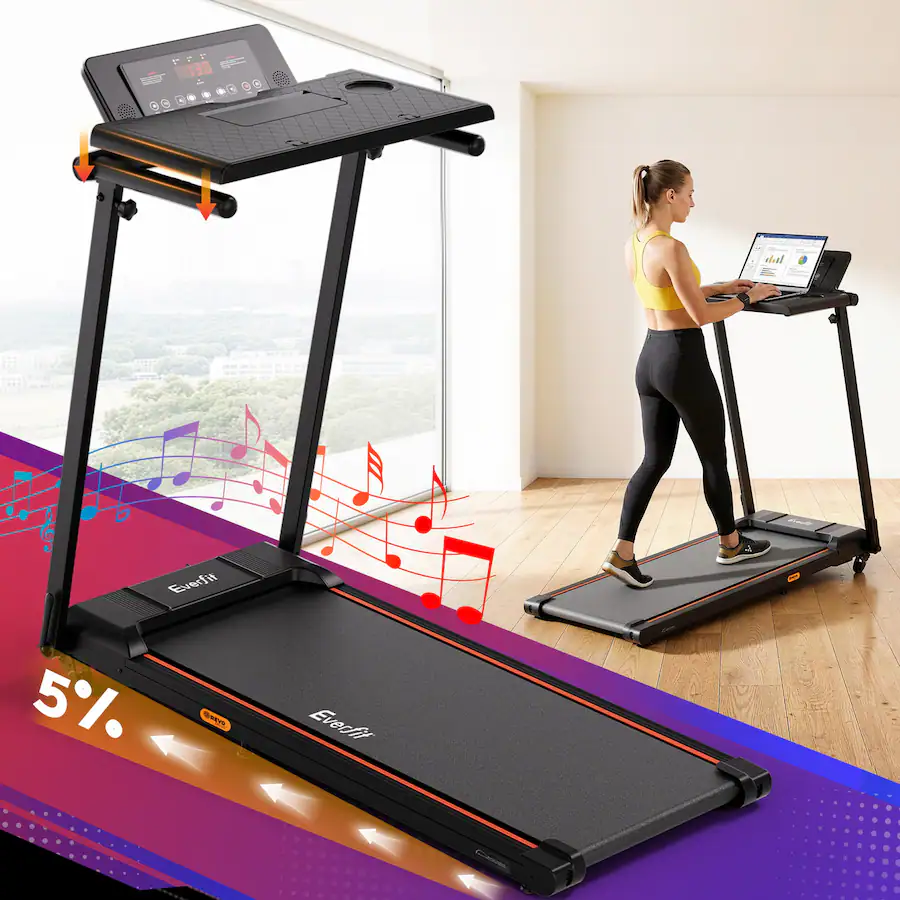
| Walking pad | Compact motorized, low or no incline | Office use, light daily movement | Not built for running |
| Smart / connected | Motorized with touchscreen | Interactive, guided workouts | Full features often need a subscription |
| Commercial- grade | Heavy-duty motor and frame | Gyms, multi-user households | Expensive, usually non-folding |
A quick way to think about it:manual and walking pads suit walking-focused, budget-conscious use; motorized and smart treadmills suit running and structured training; commercial-grade is for daily, multi-person wear and tear.
The Specs That Actually Matter
Marketing copy loves to talk about screens and subscriptions.The specs that actually determine whether a treadmill lasts and performs well are less flashy:
- Motor power (CHP, continuous horsepower): 1.5–2.5 CHP is usually enough for walking. For running, look for 2.5–3.5 CHP or higher, since a weak motor under running load wears out faster.
- Belt size: A longer, wider belt (60 inches or more in length for runners) gives taller users and faster paces more room and reduces the chance of stepping off the back.
- Incline range: Most home treadmills go up to 10–15%, useful for hill training and higher-calorie walking.
- Cushioning / deck system: It absorbs impact and protects your joints. Test it in person if knee comfort is a concern.
- Weight capacity: Choose a machine rated comfortably above the heaviest expected user’s weight.
- Fold mechanism: If space is tight, a folding frame matters more than almost any other feature.
Manual vs. Motorized:Which One Should You Actually Get?
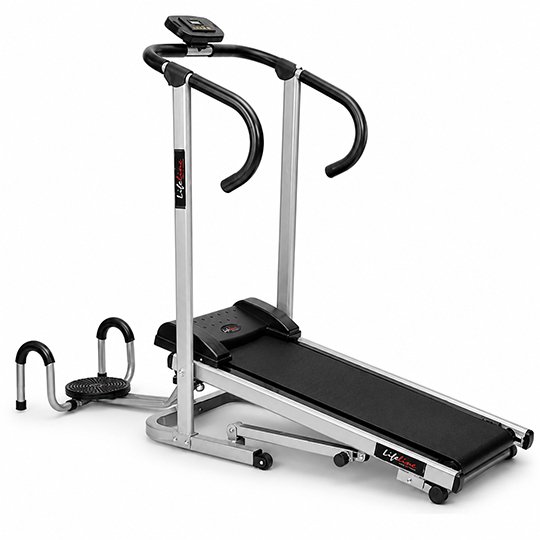
Manual treadmills are powered by your own stride on a curved or sloped deck. They’re generally cheaper, more compact, and encourage better running form because you control the pace entirely. The trade-off is a real learning curve: holding a steady pace takes practice, and sustained fast running is harder.
Motorized treadmills set the pace for you. They’re easier for beginners, better for structured interval or incline workouts, and more comfortable for long walks. The trade-off is a higher price and a motor that needs occasional maintenance.
Bottom line: for walking, general fitness, or intervals, motorized is usually the more practical choice. If you’re budget-constrained, short on space, or training explosive sprint mechanics, manual deserves serious consideration.
What a Treadmill Actually Costs
| Category | Approximate Price Range |
| Walking pads | $200–$600 |
| Entry-level manual or basic motorized | $300–$700 |
| Mid-range home motorized | $700–$2,000 |
| Smart / connected | $1,500–$3,500+ |
| Commercial-grade | $2,500–$6,000+ |
These are general ranges, not guaranteed prices– local import duties, currency strength, and retailer markups shift the numbers by region, so it’s worth checking current local listings before budgeting.
If you’re only an occasional user, it’s also worth comparing the cost of a gym membership with treadmill access against the total cost of home ownership (including maintenance) before assuming buying is automatically cheaper.
How to Use a Treadmill Safely
Most treadmill injuries happen in the first thirty seconds– stepping on too fast, or losing balance while adjusting speed. A few basics prevent almost all of it:
1. Clip the safety key to your clothing before starting. If you fall or drift too far back, it cuts power to the belt.
2. Straddle the belt with your feet on the side rails, start the belt at a slow speed, then step on.
3. Increase speed gradually using the console rather than jumping straight to your target pace.
4. Keep a natural posture– eyes forward, relaxed shoulders– and avoid gripping the handrails during normal walking or running, since it throws off your gait and reduces the workout’s effectiveness.
5. Introduce incline gradually, especially if you’re new to hill training; 1– 2% is a reasonable starting point.
6. Cool down by lowering speed gradually over a few minutes instead of stopping abruptly.
7. Step onto the side rails before the belt fully stops, then step off.
If you have a pre-existing heart or joint condition, it’s worth checking with a doctor before starting a new treadmill routine, and keeping children and pets away from a running belt is a basic but often-overlooked precaution.
Treadmill Workouts Worth Trying
You don’t need a subscription or a coach to get a structured session in.
Beginner walking session (20–30 minutes)
- 5 min warm-up at 2.5–3 mph
- 15–20 min steady walk at 3–3.5 mph
- 5 min cool-down at 2 mph
Interval session (25–30 minutes)
- 5 min warm-up jog
- 8 rounds of 1 min fast (7–8 mph) followed by 1 min recovery walk (3 mph)
- 5 min cool-down
Incline session (30 minutes)
- 5 min warm-up at 0% incline
- 10 min at 4% incline, moderate pace
- 10 min at 6–8% incline, moderate pace
- 5 min cool-down at 0% incline
A quick note on incline and fat loss: higher incline does raise calorie burn per minute, but there’s no single “magic” incline percentage– consistency over weeks matters far more than any one setting.And while treadmill workouts contribute to an overall calorie deficit that supports fat loss, there’s no way to target fat loss to one body area, including the stomach– that’s a persistent myth worth setting aside.
Common Mistakes to Avoid
- Gripping the handrails constantly. It reduces calorie burn and encourages poor posture. Use them briefly for balance only.
- Jumping straight to high speed before you’ve found your footing.
- Skipping warm-up and cool-down, which increases strain and makes sessions feel harder.
- Ignoring unusual noises or belt slipping. These are early maintenance warnings, not something to push through.
Ramping incline too aggressively, which can stress knees and hips before your body has adapted.
Keeping a Treadmill Running Well
- Lubricate the belt every 3–6 months, or per the manufacturer’s schedule.
- Wipe down the deck and motor housing monthly to keep dust out.
- Check belt alignment and tension periodically. Drift is usually the first sign something’s off.
- Inspect the power cord and safety key for wear.
- For commercial or heavy daily use, schedule a professional service check annually.
Treadmill or Something Else?
A treadmill isn’t automatically the right cardio equipment for everyone:
- Elliptical: lower-impact motion if joint impact is a concern even with cushioning.
- Stationary bike: gentler still, though it won’t train a running gait.
- Rowing machine: adds upper-body and core work to the cardio session.
- Stair climber: a more intense lower-body workout in less time, though most people tolerate shorter sessions.
Buying Locally vs. Online
- Specialty fitness retailers: you can usually test belt feel and noise level before committing, which online reviews can’t replicate.
- Big-box and general retailers: wider budget range, less specialized advice.
- Gyms: a low-commitment way to try different treadmill types before buying.
- Certified used or refurbished dealers: a reasonable option on a tight budget, provided you verify the warranty and service history.
Searching for a local repair technician ahead of time is also worth doing– it’s far easier to find one before something breaks than after.
Frequently Asked Questions.
Is it OK to use a treadmill every day?
For most healthy adults, yes– daily use is generally fine as long as intensity and duration are reasonable. Alternating harder and easier sessions helps avoid overuse strain, especially for new users.
How long should a beginner walk on a treadmill?
Most beginners do well starting with 15– 20 minutes at a comfortable pace, then gradually increasing duration and intensity over a few weeks as their fitness builds.
What is a good incline setting on a treadmill?
A 1– 3% incline is a common starting point that roughly matches outdoor walking resistance. Higher settings, 5% and above, are better suited to dedicated hill-training sessions.
Is treadmill running as good as outdoor running?
Both offer similar cardiovascular benefits. Outdoor running adds natural terrain variation and incline, while treadmill running offers precise pace control and weather-proof consistency– neither is strictly “better,” just different.
How much does a treadmill cost?
Prices generally range from around $300 for entry-level or manual models up to $3,000 or more for smart or commercial-grade machines, with local pricing varying by region and retailer.
What CHP motor is good for a home treadmill?
For walking, 1.5– 2.5 continuous horsepower is typically sufficient. For running, 2.5– 3.5 CHP or higher tends to hold up better under sustained use.
Do treadmills help you lose belly fat?
Treadmill workouts support an overall calorie deficit, which contributes to fat loss across the body. There’s no way to target fat loss to one specific area, including the belly, regardless of the exercise used.
What’s the difference between a manual and motorized treadmill?
A manual treadmill moves because you’re pushing the belt with your own stride on a curved deck, while a motorized treadmill uses an electric motor to set and hold a specific speed for you.
Conclusion
Choosing a treadmill comes down to matching the machine to how you’ll actually use it– walking versus running, tight apartment versus dedicated gym space, occasional use versus daily training. Get the motor power, belt size, and incline range right for your goals, and the rest of the decision gets a lot simpler. Once it’s set up, the value comes from consistent, safe use: a proper warm-up and cool-down, gradual increases in speed and incline, and basic maintenance so the machine keeps performing the way it did on day one. Start with a routine that matches your current fitness level, not the one you’re aiming for in six months– the treadmill will still be there when you’re ready to push harder.
These information are gathered from different surveys, medical tests and tech giants like google, Techradar and more. Our top priority is to provide you valuable information.
For More Details About Different Projectors Click Here