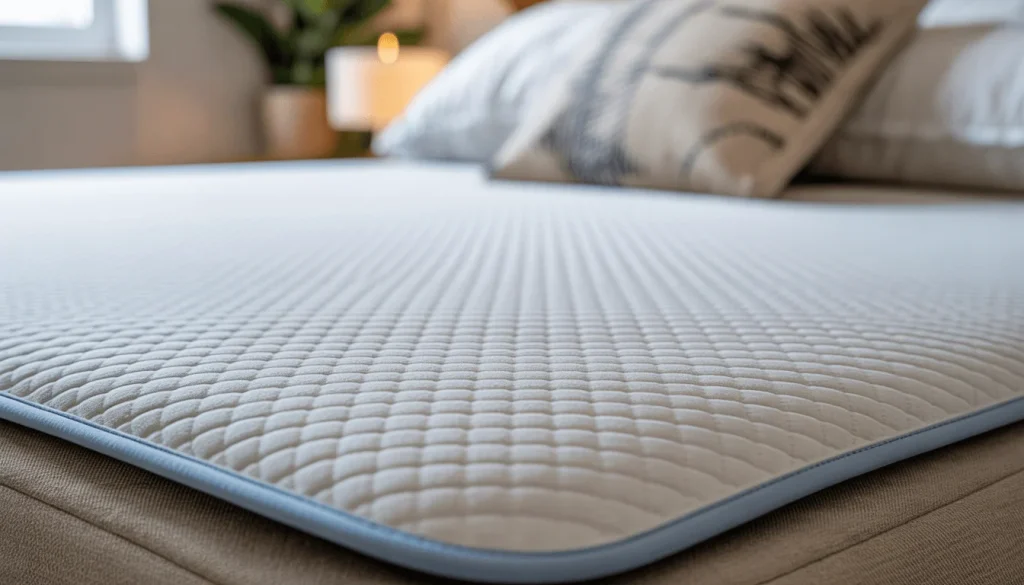
What Is a Cooling Mattress?
A cooling mattress is a bed built to reduce heat buildup and move moisture away from your body while you sleep. It does this through breathable materials, open internal structures, heat-conducting fabrics, or, in some cases, powered systems that circulate air or water.
The label is not regulated, though. One brand’s “cooling” mattress may be a genuinely ventilated hybrid. Another may just be standard foam with a cool-feeling cover. Knowing the difference is the whole game.
Why Sleep Temperature Matters
Your body needs to cool down to fall asleep. Sleep researchers, including those at the Sleep Foundation, note that core body temperature begins to fall a couple of hours before bedtime, alongside the release of melatonin, and keeps dropping through the night.
A bed that traps heat works against that process. The result is familiar: tossing, kicking off covers, waking damp, and feeling unrested.
A cooling mattress doesn’t chill you. It removes the interference, so your body’s own thermoregulation can do its job.
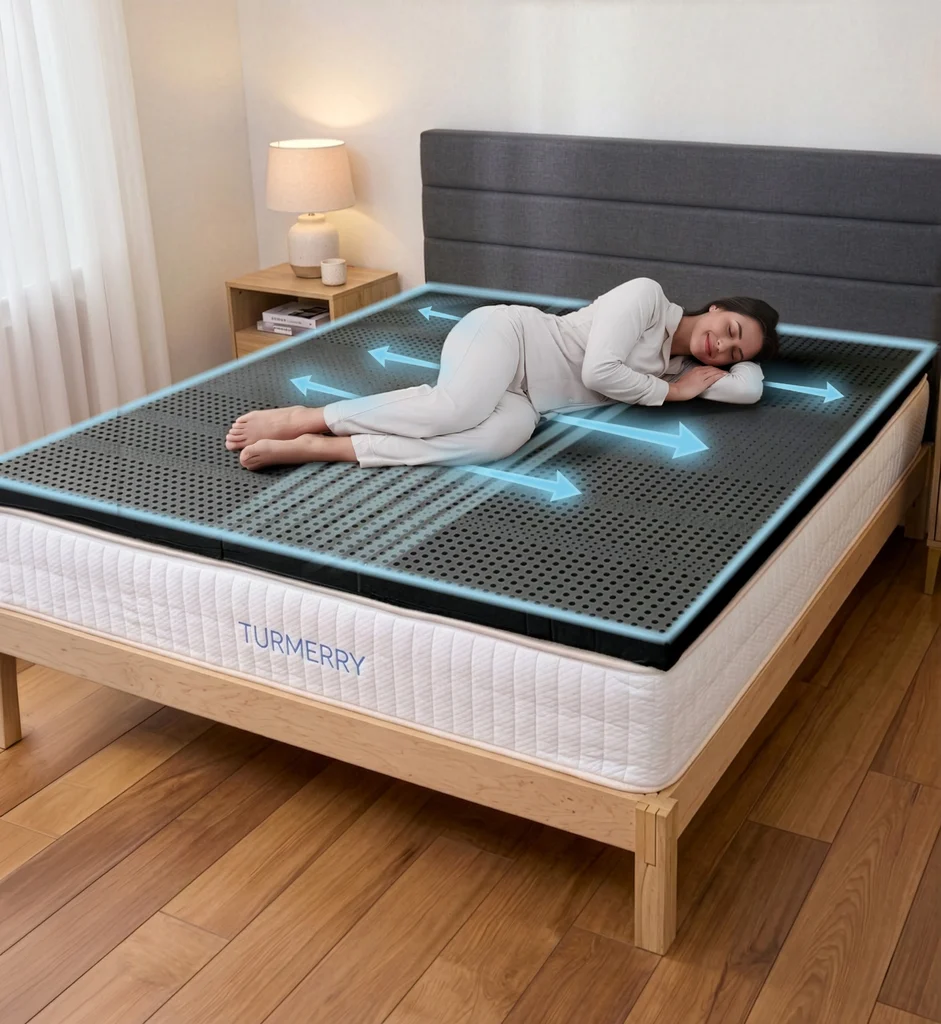
How Cooling Mattresses Actually Work
Most designs combine several mechanisms. None is magic.
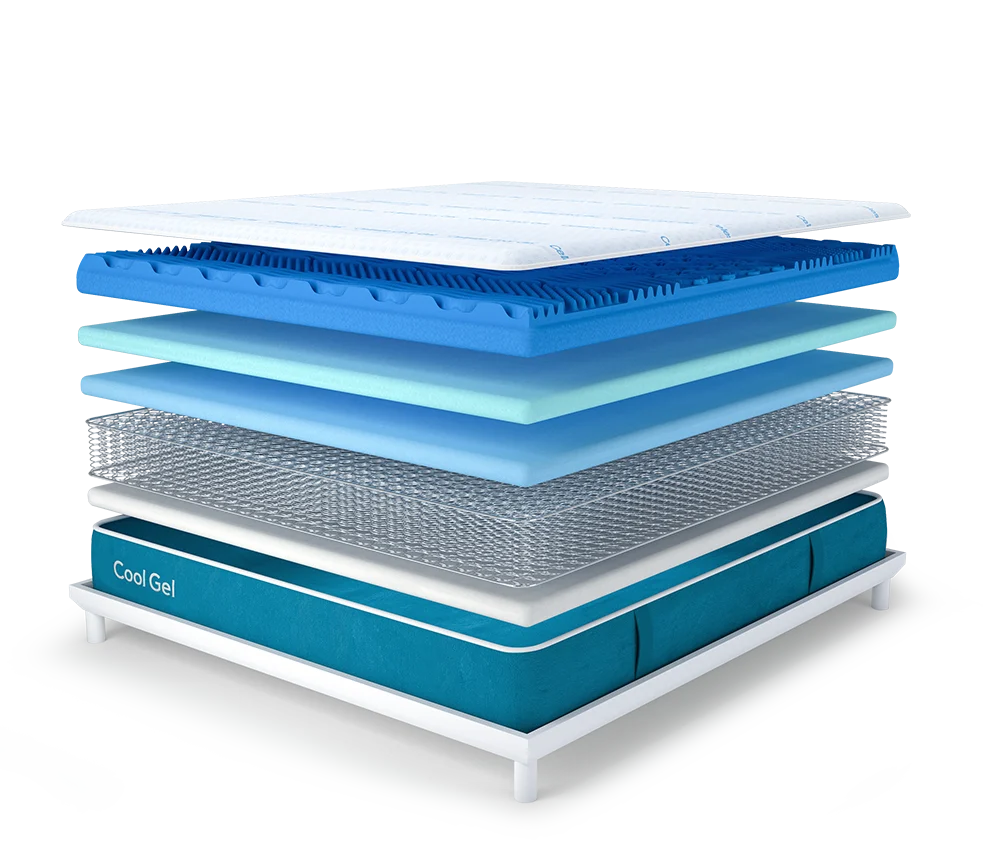
- Airflow. Pocketed coils and open-cell or perforated foam leave room for air to move, so heat escapes instead of pooling.
- Heat conduction. Gel, copper, or graphite infusions pull heat away from the contact point and spread it out.
- Moisture wicking. Covers made from Tencel/lyocell, cotton, or wool draw sweat away so it can evaporate.
- Phase-change material (PCM). These fabrics absorb heat when you warm up and release it as you cool. Developed for demanding thermal applications, PCMs feel cool on contact but the effect is usually short-lived.
- Active cooling. Powered mattresses and pads circulate air or water, and some offer dual-zone control. This is the only approach that can lower the surface below room temperature.
Why the “Cool Feel” Fades
That icy sensation when you first lie down comes from materials with high thermal conductivity pulling heat from your skin. Once the material warms to your body temperature, the effect levels off.
Lasting comfort comes from structure (airflow and breathability), not from the first-minute chill. This is the most common gap between marketing and reality.
Types of Cooling Mattresses
| Type | How it cools | Cooling strength | Best for | Watch out for |
|---|---|---|---|---|
| Hybrid (coils + foam/latex) | Coil core allows airflow | Good to very good | Most hot sleepers | Heavier, pricier |
| Innerspring | Open coil structure | Very good | Airflow priority | Less pressure relief |
| Latex (Talalay or Dunlop) | Naturally springy, breathable | Good | Responsive, durable support | Cost, latex allergy |
| Gel or copper memory foam | Conducts heat away | Moderate | Contouring comfort | Can still trap heat |
| Open-cell foam | More airflow through foam | Moderate | Budget shoppers | Varies by density |
| Active cooling (smart beds, pads) | Circulates air or water | Excellent | Severe heat, couples with different needs | Cost, power, noise |
Review labs that test surface temperature generally find hybrids with breathable covers perform best. Traditional memory foam is typically the warmest category, though modern versions with ventilation and conductive additives narrow the gap.
Who Benefits Most
A cooling mattress is a good fit if you:
- Regularly wake up hot or sweaty
- Share a bed with someone who runs hot
- Live somewhere warm or humid, or without constant air conditioning
- Prefer foam comfort but dislike the heat it holds
- Experience hot flushes during menopause and want a more comfortable sleep surface
It may be unnecessary if you sleep cold or live in a consistently cool climate.
Fix the Heat Problem Before You Buy
A mattress is only one piece of your sleep temperature. Before spending serious money, check these:
- Room temperature. Many sleep experts suggest a cool bedroom, roughly 60–67°F (15–19°C), though comfort varies.
- Bedding. Heavy duvets and synthetic sheets trap heat. Percale cotton, linen, and lyocell breathe better.
- Mattress protector. Waterproof, non-breathable protectors can cancel out a good mattress.
- Bed base. Solid platforms limit airflow underneath. Slatted or ventilated bases help.
- Evening habits. Alcohol, heavy meals, and hard exercise close to bedtime can raise body heat.
If the room and bedding aren’t the issue, the mattress likely is.
Choosing a Cooling Mattress: A Step-by-Step Framework
Step 1: Rate Your Heat Level
- Mild warmth: A breathable topper or better bedding may be enough.
- Regular overheating: Choose a hybrid, innerspring, or latex mattress.
- Severe heat or night sweats: Consider an active cooling system.
Step 2: Match Construction to Your Sleep Position
- Side sleepers need pressure relief at the shoulders and hips. A medium to medium-soft hybrid or latex bed with a cooling cover works well.
- Back sleepers do best on medium-firm hybrids or latex.
- Stomach sleepers need firmer support. Innerspring or firm hybrids keep the hips from sinking.
- Combination sleepers benefit from responsive latex or hybrid models that make repositioning easy.
Step 3: Account for Body Weight
Heavier sleepers sink deeper into foam and trap more heat. Coil-based hybrids and latex tend to stay cooler and hold their shape better. Heavier sleepers should also look for reinforced coils and thicker comfort layers.
Step 4: Think About Your Partner
Couples with mismatched temperatures should look at dual-zone systems, or choose a breathable mattress and let each person adjust bedding on their own side.
Step 5: Check the Fine Print
- Sleep trial length. Many online brands offer 90 to 365 nights.
- Return terms. Some require a minimum break-in period or charge removal fees.
- Warranty. Look at the sagging threshold and what’s covered.
- Certifications. CertiPUR-US for foams, OEKO-TEX for textiles, and GOLS for organic latex give a baseline for materials and emissions.
Cooling Mattress or Topper?
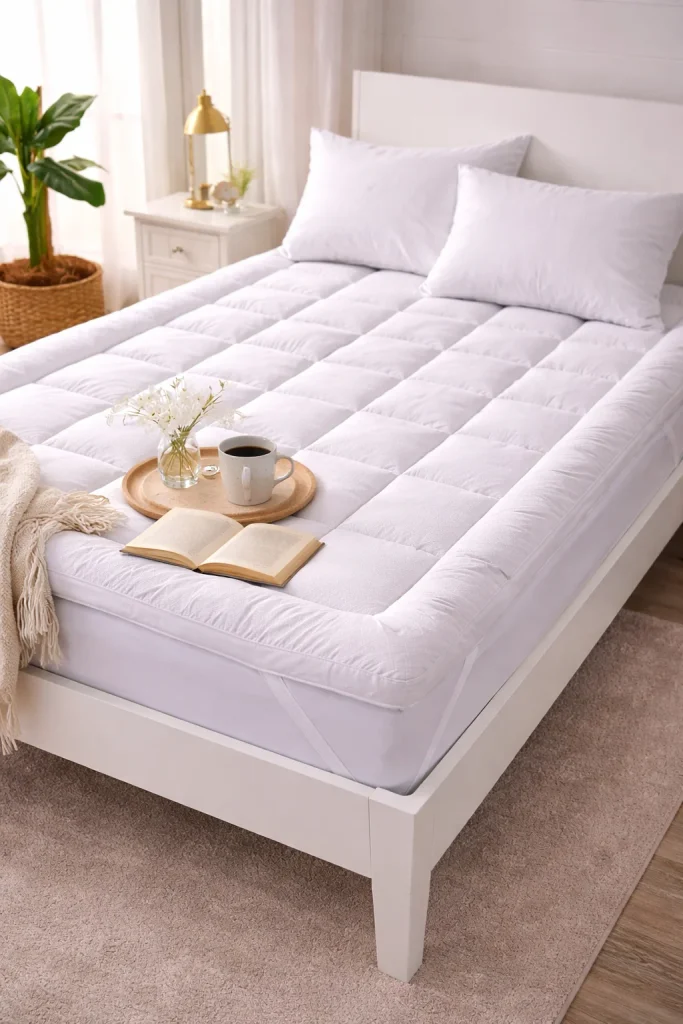
A cooling topper is the budget alternative. It adds a breathable, moisture-managing layer on top of your existing bed.
| Cooling mattress | Cooling topper | |
| Fixes a hot core? | Yes | No |
| Cost | Higher | Lower |
| Best for | Regular or severe overheating, or an old mattress | Mild heat on a mattress you otherwise like |
| Lifespan | Many years | Shorter |
If your current mattress is worn out or built from dense foam, a topper only masks the problem. If it’s in good shape and just runs slightly warm, a topper is a sensible first step.
Pros and Cons
Pros
- Can reduce overheating and night-time waking
- Wide range of constructions and prices
- Hybrids and latex tend to be durable
- Options exist for couples with different needs
Cons
- “Cooling” claims aren’t standardized
- Gel and PCM effects can be temporary
- Active systems are expensive and need power
- Hybrids and latex can be heavy
Cooling Mattress Cost
Prices vary widely by brand, size, and market, so treat these as general tiers rather than quotes.
| Tier | Typical construction | Cost note |
|---|---|---|
| Budget | Open-cell or gel foam, basic cover | (Source: local retailer listings) |
| Mid-range | Hybrid or latex with a breathable cover | (Source: local retailer listings) |
| Premium | Natural latex, wool, zoned coils | (Source: local retailer listings) |
| Smart / active cooling | Powered air or water circulation | Can reach into the thousands (Source: manufacturer pricing) |
Mattresses are frequently discounted around major sale periods, so compare the full price of a mattress-plus-topper combination against a premium cooling bed before deciding.
Climate and Market Differences
Where you live changes what works.
- Hot and humid regions need airflow and moisture wicking above all. Coil-based or latex beds with lyocell or cotton covers outperform dense foam.
- Hot and dry regions benefit from breathable covers, since sweat evaporates quickly.
- Temperate regions may only need summer cooling, so a topper or lighter bedding can be enough.
- Homes with limited air conditioning or unreliable power should favor passive designs rather than powered systems.
When buying, compare local showrooms, national chains, online direct-to-consumer brands, marketplaces, and regional manufacturers. Check delivery coverage, old-mattress removal, local warranty service, and available sizes, since standards differ across the US, UK, and Europe, and custom sizes are common in some markets.
If you’re searching for a cooling mattress store near you, try the bed in your normal sleep position for 10 to 15 minutes. The first minute tells you almost nothing.
For Businesses: Buying Cooling Mattresses in Bulk
Hotels, rentals, student housing, and care facilities weigh a few extra factors:
- Durability and edge support under constant use
- Cleanability and protector compatibility that doesn’t sacrifice breathability
- Certifications and flammability compliance for the local market
- Supplier terms: minimum orders, warranty coverage per unit, replacement logistics, and OEM or custom options
Request material specifications for the core and cover, not just a brand name, and ask for samples before committing.
Safety and Materials: What to Know
- Off-gassing. New foam can have a smell. Air the bed in a ventilated room.
- Cooling gel. Questions about gel safety are common. Look for certified foams and ask the seller for material documentation.
- Latex allergy. If you have a known latex allergy, avoid latex layers or consult your doctor.
- Powered systems. Use only the supplied cords and controllers and follow the manufacturer’s safety instructions.
- Flammability rules. These differ by country, so choose a mattress compliant with your local regulations.
Common Mistakes to Avoid
- Trusting the label. “Cooling” is marketing language, not a tested standard.
- Buying dense foam for a hot climate. It holds heat more than coils or latex.
- Ignoring the cover and protector. A breathable core under a non-breathable layer defeats the purpose.
- Testing too briefly. Initial coolness fades.
- Choosing too soft. Sinking in surrounds your body with material and traps heat.
- Skipping the room. A hot bedroom beats any mattress.
- Assuming a mattress will fix a medical problem. More on that below.
Care Tips for Cooler Sleep
- Use a breathable mattress protector
- Rotate the mattress if the manufacturer recommends it
- Keep the base ventilated
- Wash bedding regularly to reduce moisture and allergen buildup
- Let the bedroom cool before bed and keep air moving
Night Sweats: When It’s Not the Cooling Mattress
Occasional overheating is common. Drenching, frequent, or new night sweats are different. Hormonal changes, infections, certain medications, and sleep disorders can all be causes.
A cooling mattress can make you more comfortable, but it won’t treat the underlying issue. If sweating is persistent, severe, or comes with other symptoms, talk to a healthcare professional.
Frequently Asked Questions
1.Do cooling mattresses actually work?
Many do, but results depend on construction. Hybrids and latex with breathable covers tend to perform best, while gel or PCM effects are often modest and short-lived.
2.What is the coolest type of mattress?
Among passive designs, innerspring and hybrid mattresses with breathable covers are typically the coolest. Active water or air systems cool the most overall.
3.Is memory foam hot to sleep on?
Traditional dense memory foam traps heat. Newer open-cell and gel-infused versions sleep cooler, but they generally still run warmer than coil or latex beds.
4.Is cooling gel toxic?
Gel in certified foams is generally considered safe, but quality varies. Look for CertiPUR-US or similar certifications and ask the seller for material information.
5.Do cooling mattresses help with night sweats or hot flushes?
They can improve comfort, especially breathable or actively cooled designs. They don’t treat the cause, so persistent night sweats should be checked by a doctor.
6.How long does the cooling effect last?
Structural cooling from coils, latex, and wool lasts for the life of the mattress. Cool-to-the-touch finishes and PCM effects can fade within the night.
7.Are cooling mattresses worth the money?
If you regularly overheat, often yes. If the heat comes from your room or bedding, cheaper fixes may be enough.
8.Is a cooling topper as good as a cooling mattress?
A topper helps with mild heat. It can’t fix a cooling mattress core that traps warmth, so it’s less effective for strong hot sleepers.
9.What firmness is best for a hot sleeper?
Medium to medium-firm suits most people. Firmer surfaces let you sit on top rather than sink in, which reduces trapped heat. Your weight and position matter too.
10.Do cooling sheets work?
Breathable sheets like percale cotton, linen, and lyocell help move moisture and heat away. They’re an inexpensive first step, though they won’t offset a heat-trapping mattress.
Conclusion
A cooling mattress can make a real difference, but only when the construction backs up the label. Breathable cores like coils and latex, moisture-wicking covers, and a cool, well-ventilated bedroom do more than any “cooling” sticker.
Start by fixing the basics: bedding, protector, bed base, and room temperature. If you still wake hot, choose a hybrid or latex mattress for regular overheating, or an active cooling system for severe cases. Test in your usual position, read the trial and warranty terms, and compare prices in your own market.
And if night sweats are heavy, persistent, or new, see a healthcare professional rather than shopping your way out of it.
These information are gathered from different surveys, medical tests and tech giants like google, Techradar, nymag and more. Our top priority is to provide you valuable information.
For More Details About Different Projectors Click Here