Article
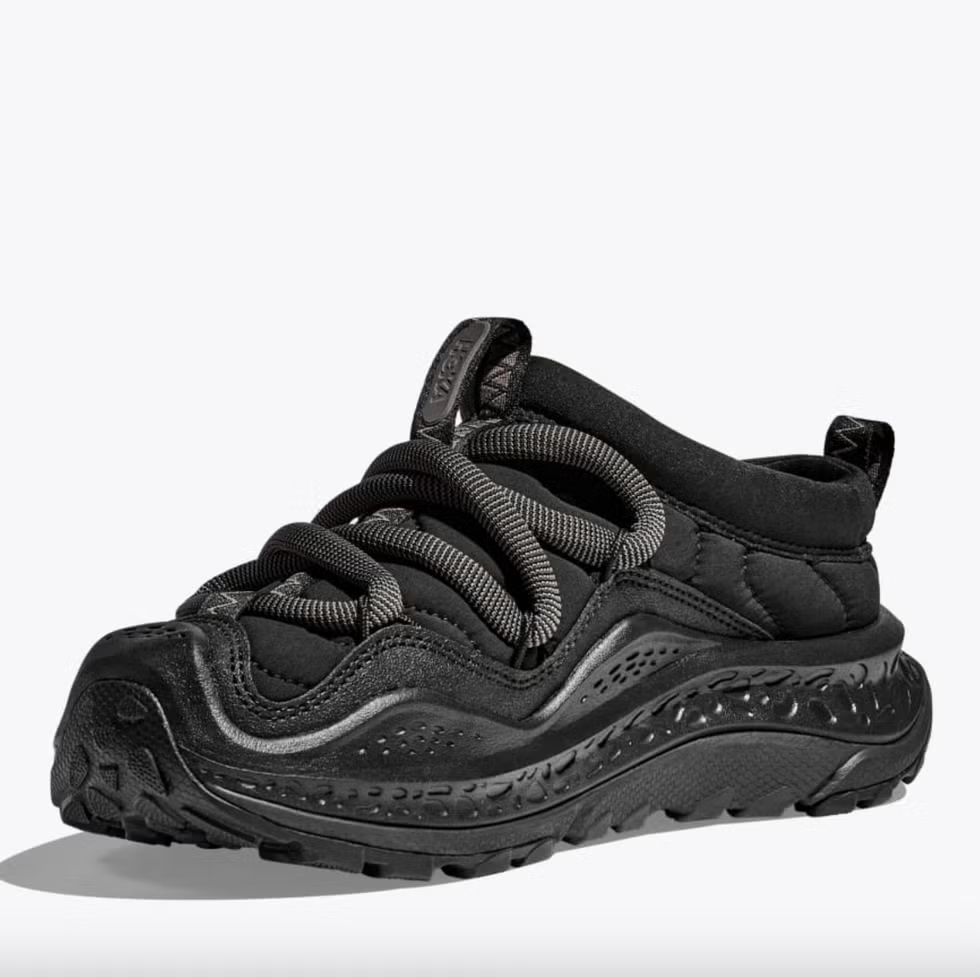
Recovery shoes are soft, cushioned slides, sandals, clogs or sneakers you wear after exercise or a long day on your feet. They cushion impact, support the arch and give your toes room to spread. They improve comfort. They are not a proven way to repair muscle faster.
That distinction matters, because a lot of product pages blur it. Below you’ll find what these shoes really do, who gets the most from them, how to match a pair to your foot, and when to skip them.
What Are Recovery Shoes?
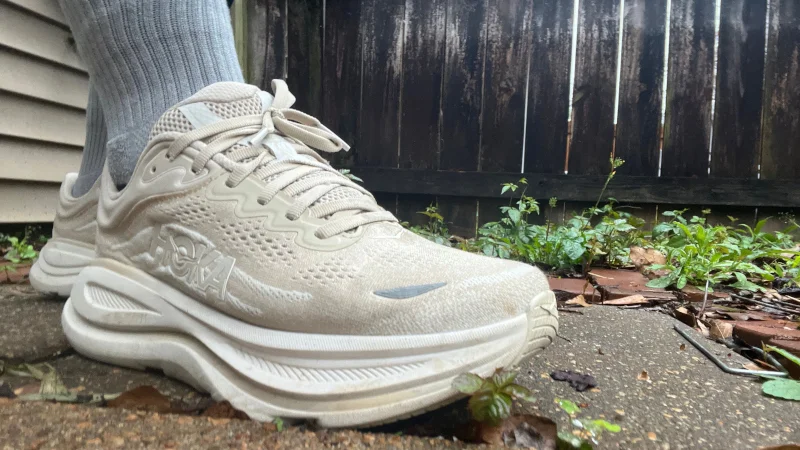
Recovery shoes (also called recovery footwear, recovery slides, recovery sandals or post-run shoes) are built for the hours when you’re not training. Running shoes are designed for stability and energy return. Recovery shoes are designed for relief.
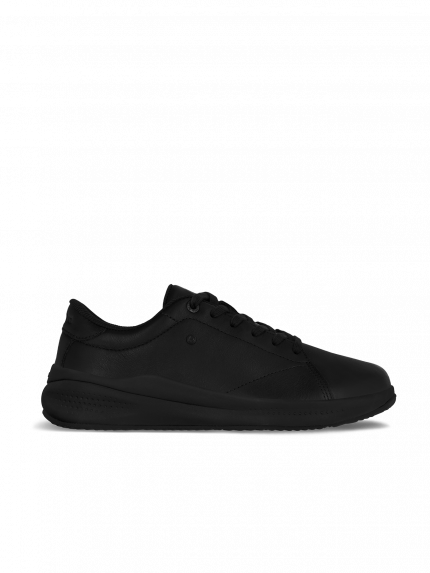
Most share the same ingredients: a thick, soft midsole, a contoured footbed, a wide and forgiving toe area, and an easy slip-on design. Many add a gently curved, rocker-style sole.
The idea is simple. After your feet have been squeezed, pounded or stuck on hard floors, you swap into something that asks less of them.
How Recovery Shoes Work
Four design features do most of the work.
Cushioning. Midsole foam, usually EVA, polyurethane or a brand’s own blend, absorbs impact so each step puts less stress on tired tissue.
Arch support and footbed shape. A contoured footbed spreads pressure across the sole instead of letting it concentrate under the heel and ball of the foot. A shallow heel cup helps hold the heel centered.
Rocker geometry. A curved sole encourages the foot to roll forward instead of landing flat. That can reduce load on the forefoot and calf during walking.
Toe room. Open or roomy designs let swollen feet spread out. After a long run or shift, that alone can feel like a relief.
Do Recovery Shoes Actually Work?
For comfort, yes. For recovery in the physiological sense, the picture is less clear.
Here is what is reasonable to say:
- Cushioned, supportive footwear can reduce perceived foot soreness and impact load.
- Arch support and a good heel cup can help some people with foot fatigue or mild heel pain.
- Easing off hard shoes on rest days may make it easier to stay on your feet and keep moving.
Here is what is not well established:
- That recovery shoes speed up muscle repair
- That they improve circulation in a meaningful, measurable way
- That they prevent injury on their own
- That they treat or cure foot conditions
Some retailers claim all four. Treat those claims cautiously. Think of recovery shoes as a comfort tool, much like a good chair or mattress: valuable, but not medicine.
Who Benefits Most from Recovery Shoes?
| Who | Why it helps |
|---|---|
| Runners and marathoners | Relief after long runs, races and heavy training weeks |
| Gym and CrossFit athletes | Comfort after jumping, lifting and conditioning |
| Nurses, teachers, retail and salon staff | Support after hours on hard floors |
| Frequent travelers | Roomy, easy footwear after flights and walking days |
| People with foot fatigue or mild arch strain | Softer landing and better pressure spread at home |
| Hikers and cyclists | A relaxed shoe at camp or after the ride |
If you are on your feet for work, you may get more benefit from recovery shoes than someone who exercises lightly. The load adds up even without a workout.
Types of Recovery Shoes
Different designs suit different routines.
| Type | Best for | Strengths | Limits |
|---|---|---|---|
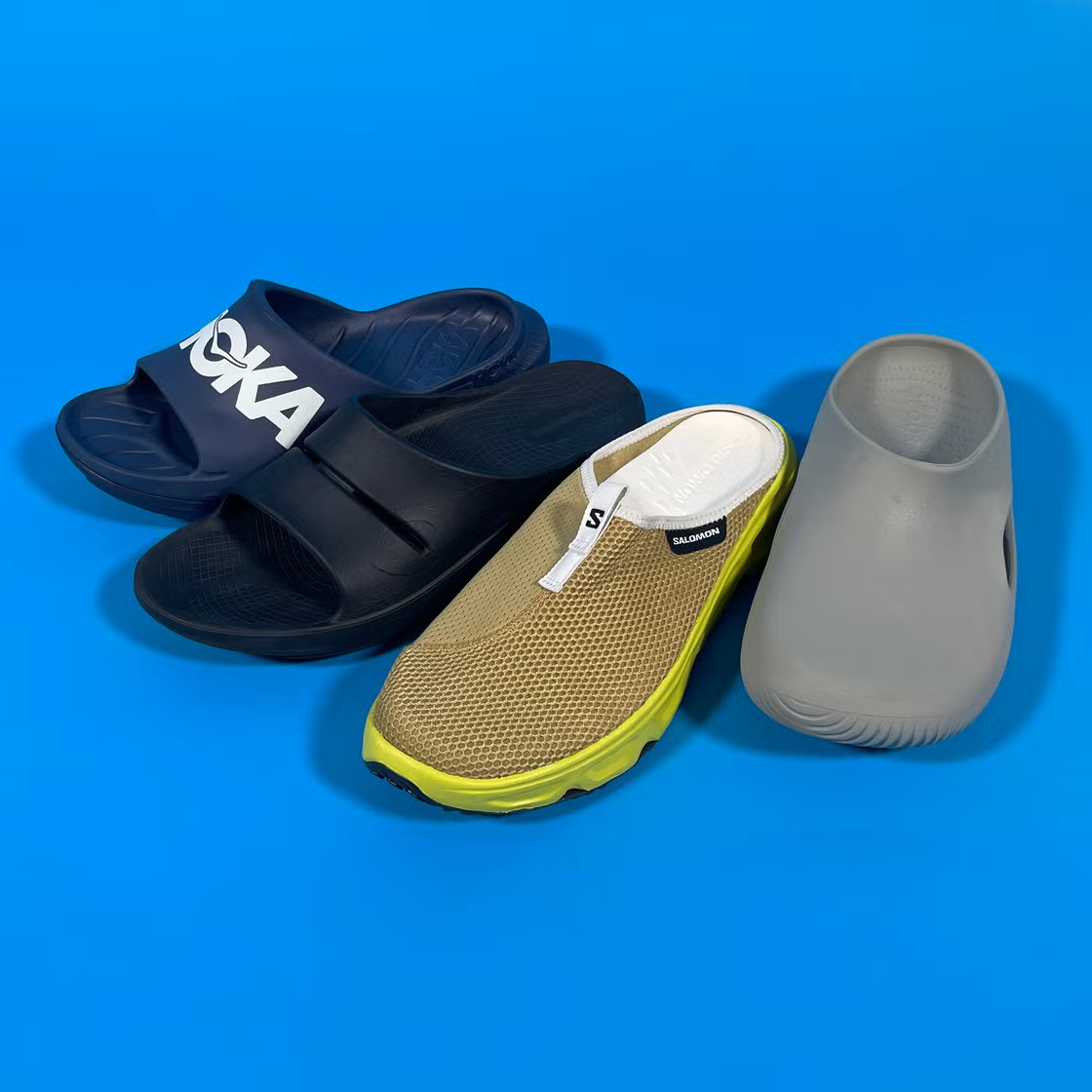
| Recovery slides | Post-workout, home, locker rooms | Easiest on and off, ventilated | Less secure on the foot; toes may grip to hold them on |
| Recovery sandals (with straps) | Short walks, travel, casual wear | Better hold than slides | Straps can rub if the fit is off |
| Recovery clogs | Standing, errands, cooler weather | Cushioned with more coverage | Warmer and bulkier |
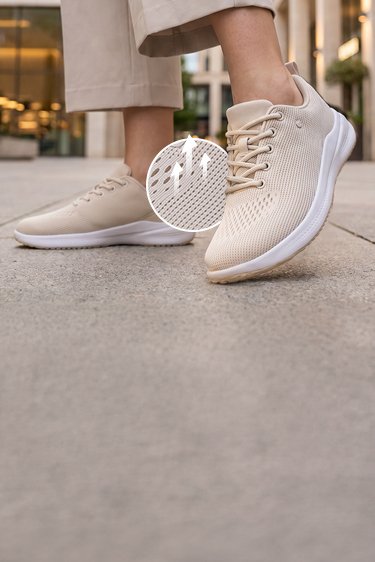
| Recovery sneakers | Longer walks, daily wear | Secure, closed, still soft | Higher price; less open than slides |
| Recovery slippers | Indoors | Warm and soft | Not for outdoor use |
A quick rule: slides for short and indoor use, straps or closed shoes for walking, clogs for long standing and cooler days.
Match the Shoe to Your Foot
Arch type changes what feels good. Try the wet-foot test: wet your sole, step on a dry piece of paper or a flat dark surface, and look at the print.
- Full footprint (flat or low arch): Look for firm, supportive arch contours and a stable heel cup. Very soft, flat foam can feel mushy and tiring.
- Moderate curve (neutral arch): Most well-made recovery shoes will work. Prioritize fit and cushioning.
- Thin outer edge only (high arch): Choose a footbed with good depth and cushioning under the arch and heel.
If your foot tends to roll inward (overpronation), a supportive, stable footbed with a firm heel cup tends to feel better than an overly soft one. If you’ve been told you have a specific foot condition, a podiatrist’s advice beats any general guide.
Plantar Fasciitis and Other Foot Pain
Plantar fasciitis, the irritation of the band of tissue along the sole, is one of the most common reasons people look for recovery shoes. Supportive, cushioned footwear may ease heel discomfort for some people, especially on hard floors and first thing in the morning.
But footwear is only one piece. Stretching, load management, appropriate everyday shoes and sometimes orthotics or physical therapy matter too. If heel pain lasts more than a few weeks, gets worse or changes how you walk, see a podiatrist or physiotherapist.
When Recovery Shoes Are the Wrong Tool
Skip or get medical advice first if:
- You have diabetes, neuropathy or reduced foot sensation, since protection and fit are critical.
- You are recovering from foot or ankle surgery or injury and have been given specific footwear instructions.
- You have severe or worsening pain, numbness, swelling or color changes in your foot.
- You need prescribed orthotics that don’t fit inside a slide.
Recovery shoes can sit alongside medical care. They shouldn’t replace it.
Can You Wear Recovery Shoes All Day, Walk or Run in Them?
All day: Many people wear them for hours around the house or at work if the dress code allows. Closed, secure styles suit long wear better than loose slides. Some clinicians suggest not wearing any single type of shoe all day, so alternate with supportive everyday shoes.
Walking: Short and moderate walks are fine, especially in strapped sandals or closed styles. Long distances in a loose slide make your toes grip, which can tire the feet.
Running: No. They’re built for rest, not impact at speed. Use proper running shoes for training and switch afterward.
Popular Recovery Shoe Models
Models and prices change often, so check current versions. These are widely discussed starting points:
- OOFOS OOriginal and OOahh: The OOriginal is a strapped sandal, the OOahh a slide, both built on the brand’s proprietary foam. The OOmy Stride is a closed recovery shoe.
- HOKA Ora Recovery Slide: Known for thick cushioning and a rocker feel, popular with runners.
- Crocs Mellow Recovery Slide: A softer, lower-cost option. Classic Crocs clogs are comfortable and lightweight, but they aren’t designed as dedicated recovery footwear and often offer less arch support.
- Orthofeet: Orthopedic-style recovery shoes and slippers with roomy toe boxes for swelling.
- Other options: Vionic and Birkenstock for contoured footbeds, Skechers Hands Free for easy slip-in wear, Archies for arch-support slides, and Nike Calm Slide for a simple sports-brand slide.
Try before you buy if you can. Brand reputation is useful, but your foot shape decides whether a shoe works.
Sizing and Fit
Poor fit is the top reason recovery shoes disappoint.
- Shop in the afternoon, when feet are slightly swollen.
- Check the toe area. Toes should sit on the footbed, not hang over the edge.
- Look at the heel. It should sit in the cup with little slipping.
- Check width. Squeezing across the ball of the foot defeats the point.
- Walk on a hard floor for several minutes before deciding.
- Read the brand’s size guide. Some models run large and share sizing across men’s and women’s, so convert carefully. If you’re between sizes, check whether the brand recommends sizing up.
Materials, Care and How Long They Last
Most recovery shoes use closed-cell foam, which resists water and odor and rinses clean.
- Wash with mild soap and water.
- Air dry away from direct heat, which can warp foam.
- Rotate pairs if you wear them daily.
Replace them when the foam looks compressed or creased, the footbed feels flat, the outsole is smooth, or your feet start aching again in a pair that used to feel good. How long that takes depends on how often you wear them and your body weight.
Price and Value
Recovery shoes fall into rough tiers:
- Budget: Basic foam slides. Fine for occasional use and for trying the idea.
- Mid-range: Better foam, contoured footbeds and sturdier outsoles.
- Premium: Brand-engineered foams, wider size ranges and extra features.
They can look expensive for a slide. You’re paying for foam quality, footbed design and durability. The best way to judge value is cost per wear: a pair you use daily for a year can cost less per use than a cheap pair that flattens in weeks.
Don’t pay extra for marketing language. Features you can feel and verify matter more than claims on the box.
Spotting Counterfeits
Lookalikes are common, particularly on large marketplaces.
- Buy from the brand or an authorized retailer when possible.
- Be wary of prices far below normal.
- Compare logo placement, stitching, packaging and footbed shape with the official product.
- Notice the smell and foam feel. Poor foam can feel stiff, greasy or overly squishy.
- Check the return policy before you order.
Climate and Regional Considerations
Where you live changes what works best.
- Hot, humid regions: Ventilated slides and sandals keep feet cooler.
- Cold or wet regions: Clogs, closed recovery sneakers and slippers keep warmth in.
- Tile and wet floors: Check the outsole tread. Slip-resistance test standards, such as ASTM F2913, are used by some manufacturers, though many consumer recovery shoes don’t publish results.
- Buying habits vary: Some markets rely on specialty running stores and podiatry clinics, others on marketplaces and imports. Authenticity and return options matter more where you can’t try shoes first.
Recovery Shoes vs the Alternatives
| Option | When it makes more sense |
|---|---|
| Regular sandals or flip-flops | Short, casual wear when you need no support (many offer less cushioning and arch contour) |
| Cushioned walking or running shoes | Long walks or standing days, and you want a closed, secure shoe |
| Orthotic insoles | A diagnosed arch or heel issue that needs targeted support |
| Compression socks or boots | Leg swelling, travel, or heavy training recovery routines |
| Foam rolling and stretching | Tight calves and foot muscles |
| Rest, sleep and hydration | The foundation of any recovery plan |
Recovery shoes work best as part of that bigger picture, not as a replacement for it.
Buying for Teams and Businesses
Gyms, running clubs, physiotherapy and podiatry clinics, hospitals and hospitality employers sometimes buy recovery shoes in bulk, either for staff comfort or for resale.
If you’re sourcing:
- Ask about size and width range, since staff feet vary widely.
- Request samples before a large order.
- Check material safety and durability on wet floors.
- For wholesale or private-label orders, confirm minimum quantities, lead times and return terms.
- For staff use, check the workplace dress and safety policy. Open slides may not meet it.
A Simple Way to Decide
- Decide where and when you’ll wear them most.
- Choose a type: slide, sandal, clog or closed shoe.
- Match the footbed to your arch.
- Consider your climate and floors.
- Pick a budget tier, then compare fit and durability within it.
- Buy from a trusted seller and test them at home on a hard floor.
- Return them if they rub, slip or leave you sore.
Frequently Asked Questions
1.Do recovery shoes really work?
They work for comfort. Cushioning, arch support and toe room can make tired feet feel better. There is no strong evidence that they speed up muscle repair, so judge them on how your feet feel.
2.Are recovery shoes worth the money?
They can be if you run, train or stand for long hours and your feet ache afterward. If your feet rarely bother you, a cheaper cushioned shoe may be enough.
3.Can you wear recovery shoes all day?
Many people do, particularly in supportive, closed or strapped styles. It’s wise to alternate with other well-fitting shoes and to see a podiatrist if you have a foot condition.
4.Are recovery shoes good for plantar fasciitis?
Supportive, cushioned footwear may ease heel discomfort for some people. It isn’t a cure. If pain lasts or gets worse, get a professional assessment.
5.Can you run or walk in recovery shoes?
You can walk short and moderate distances in them. Don’t run in them. They aren’t built for high impact or fast movement.
6.How long do recovery shoes last?
It depends on how often you wear them and how good the foam is. Replace them when the foam is compressed, the footbed feels flat or the soreness returns.
7.Are recovery shoes better than flip-flops?
Usually, yes. Most offer thicker cushioning, a more contoured footbed and more stable support than basic flip-flops.
8.Are Crocs recovery shoes?
Classic Crocs are lightweight and comfortable but aren’t designed as dedicated recovery footwear, and they often have less arch support. Crocs does sell a recovery-style slide.
9.Should I size up in recovery shoes?
Follow the brand’s size guide. Your toes should rest within the footbed and your heel should sit securely. If you’re between sizes, check what the manufacturer recommends for that model.
10.Do podiatrists recommend recovery shoes?
Some do, particularly for post-exercise comfort and standing days. Recommendations depend on your foot type and condition, so ask your own podiatrist before relying on any pair.
Conclusion
Recovery shoes are a practical comfort upgrade for tired feet. They don’t heal tissue or guarantee faster recovery, and they work best when matched to your arch, your climate and your routine.
Start with how and where you’ll use them, choose the type that suits, check the fit on a hard floor, and buy from a source you trust. If you have persistent pain, diabetes or a recent injury, speak to a foot specialist first.
Used sensibly, alongside sleep, stretching and smart training, a good pair of recovery shoes can make the end of a hard day noticeably kinder to your feet.
These information are gathered from different surveys, medical tests and tech giants like google, Techradar, nymag and more. Our top priority is to provide you valuable information.
For More Details About Different Projectors Click Here