Introduction
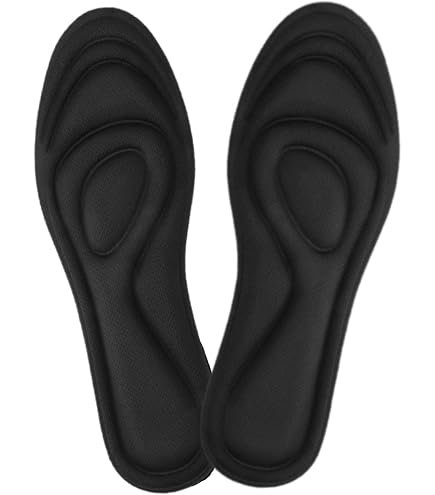
Steppers insoles are trim-to-fit memory foam shoe inserts with arch support and a cupped heel, sold mostly online. People buy them for heel discomfort and long days on their feet. Reviews are strongly mixed, so it pays to know what you are getting.
This guide covers what the product is, who it suits, what to expect and how to avoid disappointment. It also shows how to buy safely and when a different option makes more sense.
What Are Steppers Insoles?
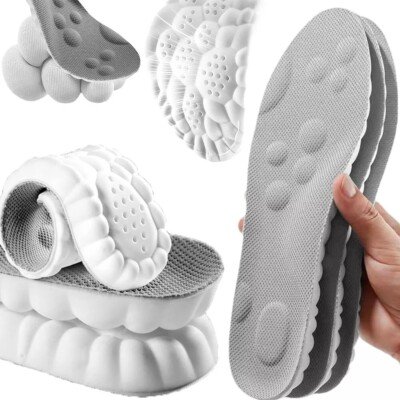
Steppers insoles (also written Stepprs, the spelling used by the brand’s own store) is a direct-to-consumer insole brand. Its best-known product is a cushioned insole described as a 4D cloud memory foam or massage insole.
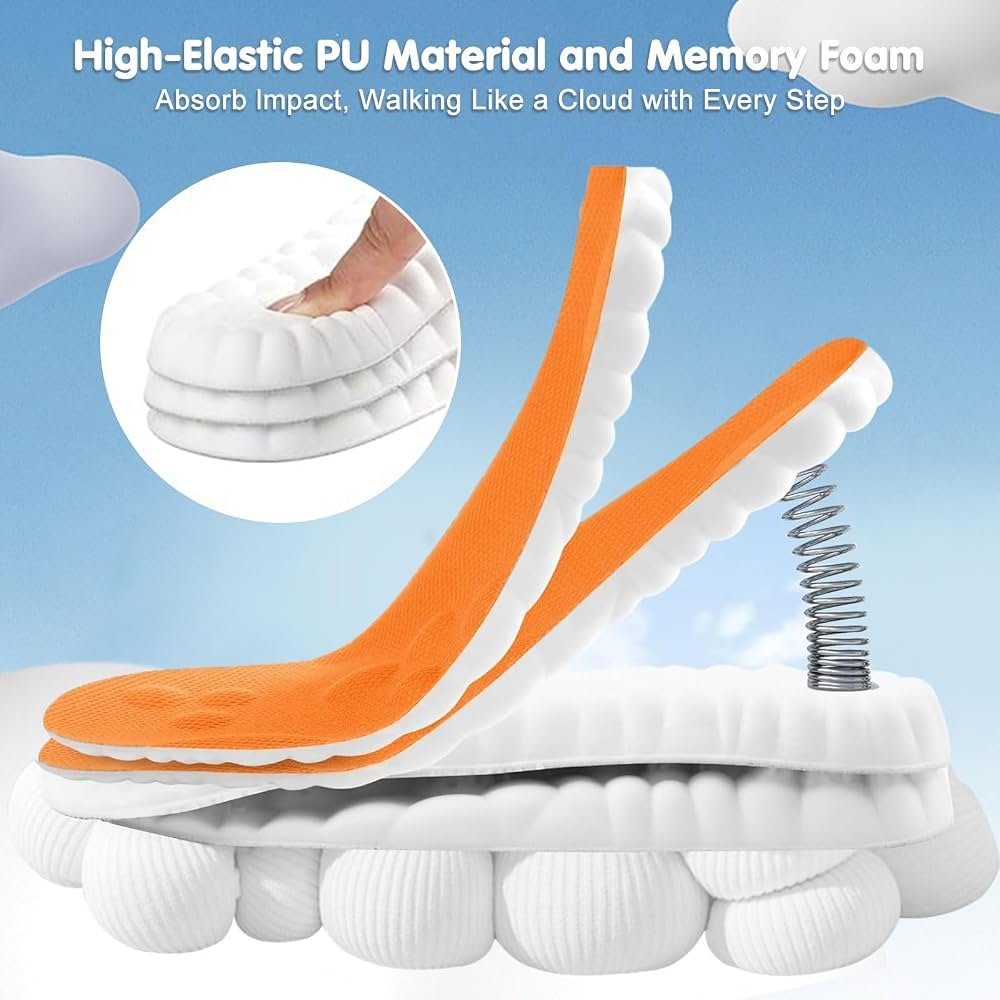
Most listings describe the same core design:
- A memory foam top layer for softness
- A polyurethane arch support underneath
- A U-shaped heel cup with shock-absorbing pads
- A honeycomb pattern meant to improve airflow
- A moisture-wicking fabric top
- A flat, trim-to-fit outline you cut to your shoe size
You will not find them on a typical pharmacy shelf. They are sold through the brand’s store, marketplaces and third-party sellers, which is why authenticity matters later in this guide.
How They Are Designed to Work
Steppers Insoles do three jobs. They cushion the heel and forefoot at every step, support the arch so the foot does not collapse inward as much, and fill spare space in the shoe so the foot slides less.
In Steppers insoles, the foam handles the cushioning. The firmer polyurethane layer carries the arch support, and the deep heel cup holds the heel pad in place. That combination is common across the comfort-insole category, and it works the same way in most brands.
Why it matters: comfort steppers insoles change how pressure spreads across the foot. They do not repair tissue or fix the cause of pain, so expect relief of symptoms at best.
Who Steppers Insoles Suit
Listings and reviews point to the same groups:
- People who stand for work: nurses, warehouse staff, retail and hospitality workers
- Walkers and commuters: anyone logging long days on hard pavement
- Office workers: those with tired feet by evening
- Seniors: people with thinner natural padding under the heel
- Active people: casual athletes and dog walkers who want extra cushioning
They are a poor fit for people who want a rigid corrective device or whose pain has a diagnosed structural cause. In those cases, a clinician-prescribed option is a better starting point.
Do Steppers Insoles Actually Work?
For comfort, many users say yes. Reviewers describe softer steps, less end-of-day tiredness and shoes that feel better than before.
For plantar fasciitis and heel pain, results are mixed. Some buyers report real relief, while others find the insoles too soft or say they stopped helping after a short while.
A realistic reading looks like this:
- Likely to help: general cushioning, shoes with worn-out factory footbeds, mild fatigue on hard floors
- May help: mild heel discomfort, as one part of a wider routine
- Unlikely to help alone: persistent or severe heel pain, nerve symptoms, or pain from a structural problem
Heel pain usually improves with a mix of supportive shoes, calf and foot stretching, load management and time. Insoles are one tool, not a cure.
What Buyers Actually Say: The Honest Picture
The brand’s reviews on Trustpilot sit around 3.5 out of 5 at the time of research, with thousands of reviews. That is a polarized picture rather than a clear verdict.
| What buyers praise | What buyers complain about |
|---|---|
| Soft, cloud-like feel | Delivery delays and missing parcels |
| Good fit once trimmed | Slow or unanswered customer service |
| Relief for long shifts | Refund difficulty |
| Quick shipping on some orders | Insoles flattening or breaking down |
| Free replacements after sizing issues | A musty smell on some pairs |
Some buyers also say the same insoles are available far cheaper on other marketplaces. Others say the pricier original fits better. Both claims appear in reviews, so treat them as buyer opinions, not facts.
Are Steppers Insoles Legit? How to Avoid Copies
The product exists and many people receive and use it. The harder question is whether you are buying the genuine item from a seller who will deal with problems.
Copies and lookalikes are a real issue. One marketplace seller advertises “original Steppers” and warns about cheap copies. A buyer on the same page said their pair arrived without the brand bag or branding and in different colors than pictured.
Use this checklist before you buy:
1.Buy from the brand’s official store, or from a marketplace seller with long, consistent feedback.
2.Compare the product photos with the brand’s own images, including colors, packaging and logo.
3.Read recent reviews, not only the top ones.
4.Check the return window and who pays return postage.
5.Look for a working contact email and a clear refund policy.
6.Be wary of prices far below everyone else, or listings that avoid showing branding.
7.Pay with a method that offers buyer protection.
A low price is not automatically a scam, and a high price is not automatically genuine. What protects you is a seller with a clear refund path.
Types and Variants
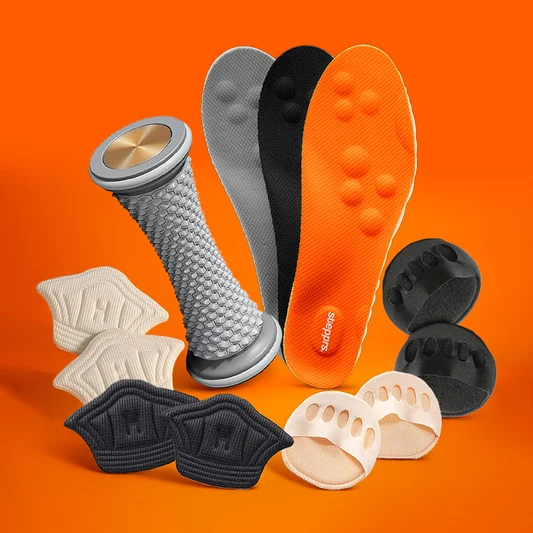
The brand sells several versions. Descriptions and reviews suggest the differences are real, so choose by use.
Massage insoles (the core product):
Soft memory foam with arch support, aimed at all-day comfort
Cloud versions:
The same softness idea under different naming, often seen on marketplace listings
Height insoles:
Thicker wedge-style inserts that raise the heel
Plush or cashmere-style insoles:
A Fabric top layer for a warmer feel
One reviewer who bought several kinds said the height version felt very hard and that the cashmere-style top felt like synthetic fur. That is one opinion, but it is a useful reminder to match the variant to what you want. Do not expect every version to feel like the soft original.
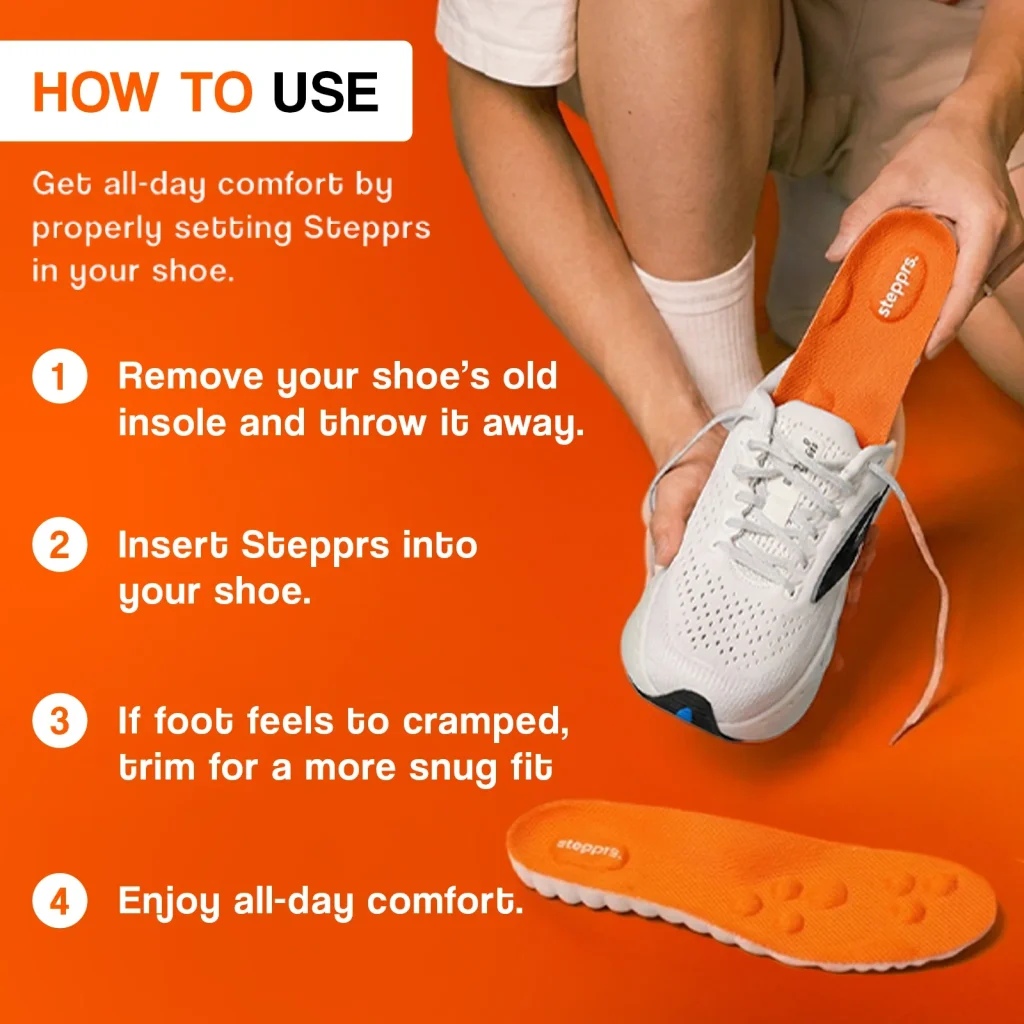
How to Trim, Fit and Break In Steppers Insoles
A poor fit causes most complaints about slipping and discomfort. Take five minutes to do it properly.
Trimming Steps
1.Remove the shoe’s original insole if it lifts out.
2.Place it on top of the new insole and trace around it.
3.Cut just outside the line with sharp scissors, then trim in small steps.
4.Drop the insole in. It should lie flat with no curling at the toes or edges.
5.Put the shoe on, lace it fully and check for heel slip or a tight toe box.
One buyer with a size 11 foot reported movement in the shoe while walking. If that happens, check that the insole sits flush and consider whether the shoe is too roomy for any insole.
Break-in:
Wear them for one to two hours on day one, add a couple of hours each day, and aim for a full day after about a week. Mild awareness is normal. Sharp pain, numbness or blisters are not, so stop and reassess.
Boots and tight shoes:
Removing the original insole usually gives the best result. Stacking two insoles often makes shoes too snug.
Price and Where to Buy by Country
Prices change, so check your local listing before you decide. As a rough guide, marketplace sellers tend to list single pairs at the low end. The brand’s own store reportedly sells at a higher average order value, often with multi-pair discounts.
| Region | What to check |
|---|---|
| United Kingdom | Brand store versus eBay sellers; return rights under UK consumer law |
| United States | Walmart and marketplace listings versus the brand store; return windows |
| Canada | Shipping time, duties and return postage |
| Australia | International delivery time, currency and returns |
| Philippines | Regional resellers such as Ubuy; import fees and delivery time |
| Germany and the EU | Some UK-based sellers may not ship everywhere; check EU delivery and returns |
Because these are online products, “steppers insoles near me” mostly leads to marketplaces, not shops. If you prefer to try before you buy, visit a pharmacy or running store for comparable inserts first.
Sizing note: insole sizes are listed in US, UK or EU sizing depending on the seller. Convert carefully, and remember you can trim but never add length.
Before You Order: A Quick Checklist
- Is the seller official or well established?
- Is the return policy clear, and who pays for returns?
- Does the listing show the real branding and packaging?
- Do you know your shoe size in the listing’s sizing system?
- Do recent reviews mention delivery problems?
- Will the insole fit your shoe type, whether trainers, work boots or casual shoes?
Fixing Smell, Wear and Durability Problems
If they smell:
A musty smell on arrival was reported by some buyers. Air them out for a day or two. If the smell stays, contact the seller, because it may mean the foam was stored damp.
If they flatten quickly:
Memory foam compresses with weight and heavy use. Expect a shorter life than rigid orthotics. Many comfort insoles are due for replacement after roughly six to twelve months of daily wear.
If the heel or layers separate:
Stop using them and ask for a replacement or refund, since damaged insoles can shift under the foot.
Cleaning:
Hand wash gently with mild soap and lukewarm water, press out the water, and let them air dry away from direct heat. Avoid machine washing and tumble drying, which can warp foam.
Steppers Insoles vs the Alternatives
Option | Best for | Trade-offs |
|---|---|---|
| Steppers-style foam insoles | Soft everyday cushioning on a budget | Mixed reviews, can compress, seller quality varies |
| Brand-name pharmacy insoles (for example Dr. Scholl’s) | Easy local purchase and returns | Less choice and sometimes less support |
| Structured sport insoles (for example Superfeet) | Firm arch control for active use | Firmer feel, higher price |
| Custom orthotics | Diagnosed or persistent foot problems | Cost and clinic visits required |
| Supportive shoes | A better base for any insole | Replacing shoes costs more |
If your main goal is plain softness, a foam insole fits the job. If you need firm structure, a rigid arch insole or a custom device is usually the better path.
When to See a Professional Instead
See a podiatrist, a chiropodist (the UK term) or an orthotist if:
Heel or arch pain is sharp or has lasted more than a few weeks
You have numbness, tingling, swelling or visible foot changes
You have diabetes, poor circulation or nerve problems
Pain started after an injury
A clinician can find the cause and decide whether an off-the-shelf insole is enough or whether a prescribed device is needed.
Frequently Asked Questions
1.Are Steppers insoles worth it?
They can be, if you want soft cushioning and buy from a seller with a clear refund policy. They are less convincing as a fix for persistent pain.
2.Are Steppers insoles good for plantar fasciitis?
Some people with plantar fasciitis report relief, and the arch support and heel cup are designed for that. Results vary, and they work best alongside stretching and supportive shoes.
3.Are Steppers insoles legit or a scam?
The product is real and many buyers are happy. Complaints about delivery, refunds and lookalike listings mean you should buy carefully.
4.Where can I buy genuine Steppers insoles?
Start with the brand’s official store. If you use a marketplace, choose long-established sellers who show the real branding and offer returns.
5.How long do Steppers insoles last?
It depends on weight, activity and how often you wear them. Memory foam commonly lasts around six to twelve months of regular use.
6.Why do my Steppers insoles smell?
Some buyers reported a musty smell on arrival. Air them out and contact the seller if it persists.
7.Can you wash Steppers insoles?
Yes, by hand with mild soap and lukewarm water, then air dry. Do not machine wash or use direct heat.
8.Do Steppers insoles fit work boots?
Yes, if you trim them and remove the boot’s original insole. Check that your toes still have room.
9.Are Steppers insoles better than custom orthotics?
Not better, just different. They suit general comfort, while custom orthotics suit diagnosed or persistent conditions.
Conclusion
Steppers insoles are a soft, trim-to-fit comfort option that many people enjoy, with real caveats around seller quality, durability and big pain-relief claims. They suit people who want cushioning for long days on their feet and who buy carefully.
Your next steps:
1.Decide whether you need cushioning or firm support.
2.Buy from the official store or a trusted seller with a clear return policy.
3.Trim, test and break them in over a week.
4.Replace them when the foam flattens.
5.See a podiatrist if pain persists.
6.This article is general information and not medical advice.
These information are gathered from different surveys, medical tests and tech giants like google, Techradar, nymag and more. Our top priority is to provide you valuable information.
For More Details About Different Projectors Click Here