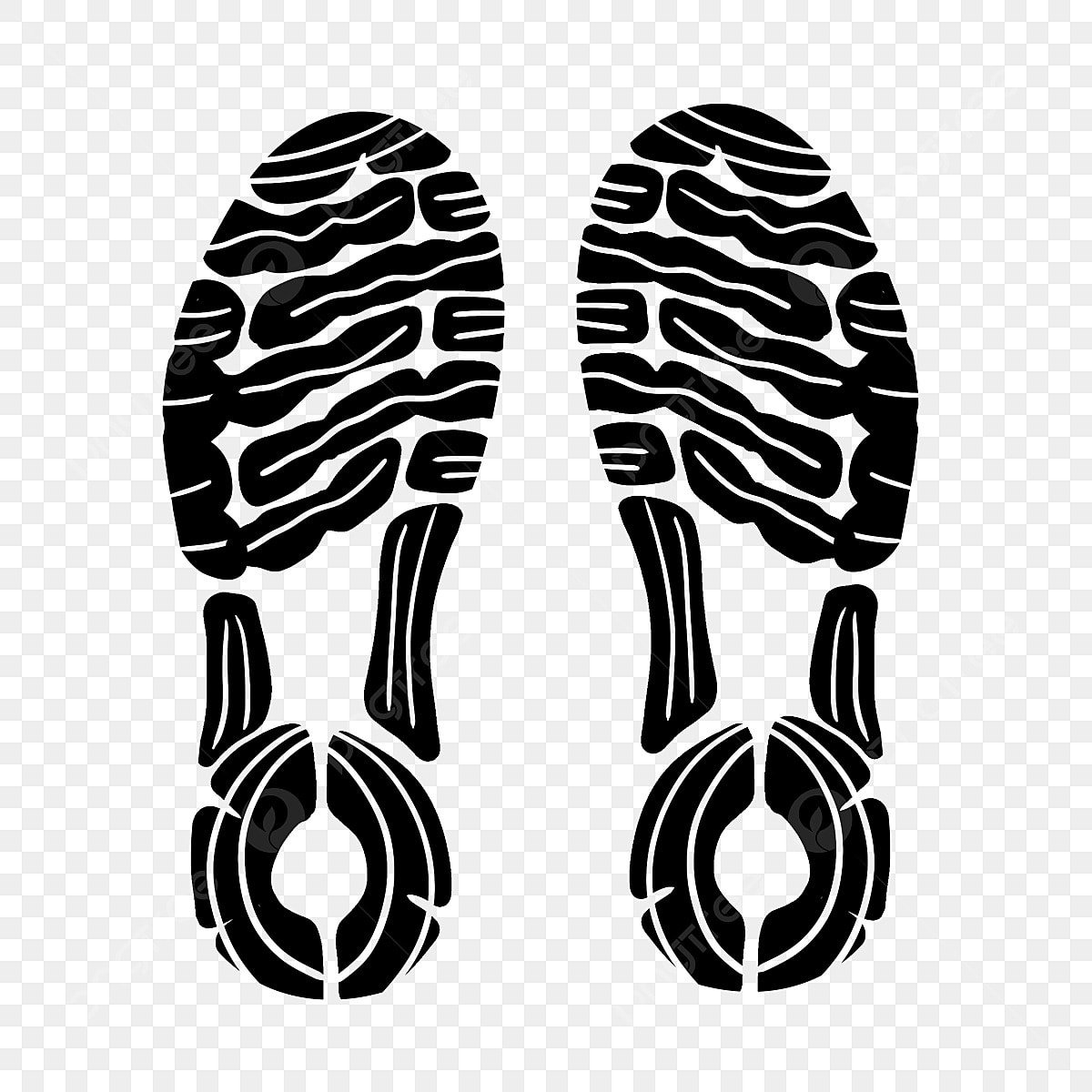
What Is a Shoe Sole?
A shoe sole is the bottom layer of a shoe that touches the ground. It gives you traction, cushioning, support and protection from the surface under your feet.
People use the word loosely. Sometimes it means only the outer layer you can see on the bottom. Sometimes it means the whole sole unit, including the foam layer hidden above it.
That is why the sole of a shoe matters more than most buyers realise. The upper decides how a shoe looks. The sole decides how it grips, how it feels after eight hours, and how long it lasts.
The Parts of a Shoe Sole
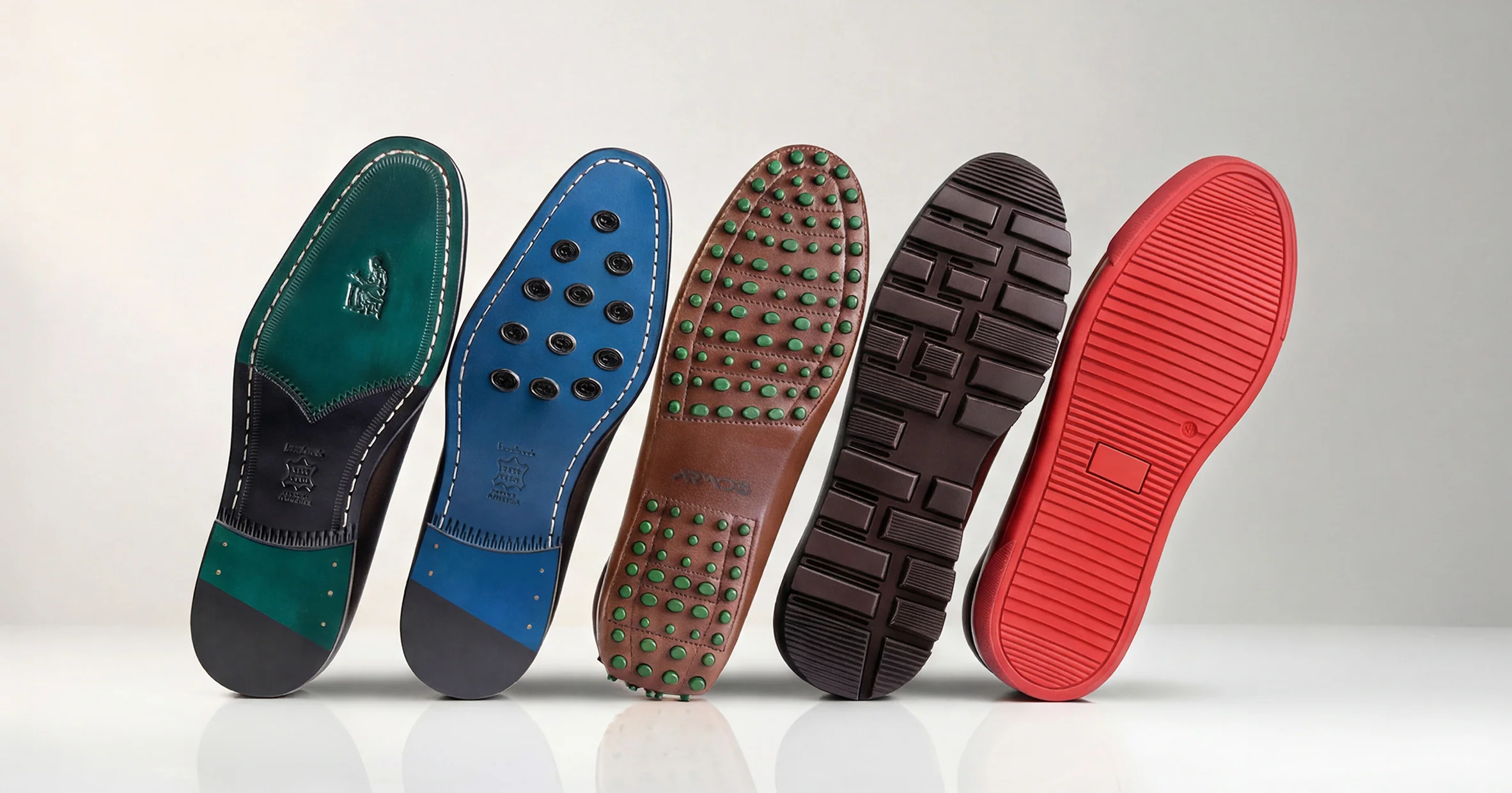
A shoe sole is rarely one piece. Most shoes sole stack several layers, each doing a different job.
| Part | Where it sits | What it does |
|---|---|---|
| Outsole | Bottom, touches the ground | Grip and abrasion resistance |
| Midsole | Between outsole and foot | Cushioning and shock absorption |
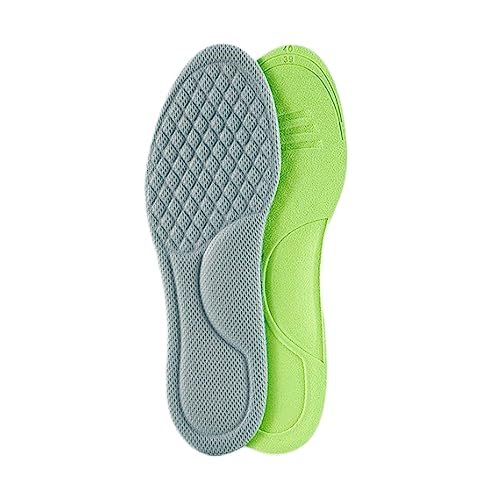
| Insole (sockliner) | Inside the shoe, under your foot | Comfort, moisture control, fit |
| Shank | Within the arch area | Stiffness and arch support |
| Welt | Edge joining upper and sole (some shoes) | Stitching point that allows resoling |
Outsole vs midsole: what is the difference?
The outsole is the tough outer skin. It faces the pavement, tile or trail, so it needs to resist wear and hold its grip.
The midsole is the softer engine room. It absorbs impact and returns some energy, which is why running shoes put so much effort into it.
Tread, lugs and siping
Tread is the pattern on the outsole. Lugs are the raised blocks that bite into mud or gravel. Siping means thin slits that help the sole flex and channel water on wet floors.
A deep lug pattern grips trails well but can feel clumsy on a smooth office floor. A flatter pattern suits dry indoor use.
Types of Shoe Sole Materials
No single material wins everywhere. Each one trades grip, weight, durability and cost against the others.
Rubber
Rubber is the toughest and most common outsole material. It resists abrasion, grips well on most surfaces, and handles water.
- Strengths: durable, strong grip, water resistant, usually repairable
- Weaknesses: heavier than foam, and cheap compounds can harden or crack
- Best for: everyday shoes, boots, hiking and wet conditions
Blown rubber is aerated to cut weight. Natural and synthetic rubber blends let makers tune hardness and grip.
EVA (ethylene-vinyl acetate)
EVA is a light, springy foam. It dominates midsoles, especially in running and walking shoes, and it appears in sandals and slides.
- Strengths: very light, flexible, cushioned, low cost
- Weaknesses: compresses over time, wears faster, less grip when wet
- Best for: running, casual sneakers, slides
As the foam compresses, the shoe feels flat even if the tread still looks fine.
Polyurethane (PU)
PU is denser and more resilient than EVA. It holds its shape under load, which suits shoes worn all day.
- Strengths: durable, supportive, resists compression
- Weaknesses: heavier, and it can break down with age (see hydrolysis below)
- Best for: work shoes, safety boots, comfort footwear
TPU and TPR
TPU (thermoplastic polyurethane) blends flexibility with strong abrasion resistance. TPR (thermoplastic rubber) mixes rubber-like flexibility with the easy moulding of plastic.
TPR is popular for children’s and casual shoe sole because it is affordable and easy to clean. For manufacturers, it often sits at the value end, while PU occupies the premium tier.
Leather
Leather shoe soles belong to classic dress shoes. They look refined, breathe well and mould to the wearer over time.
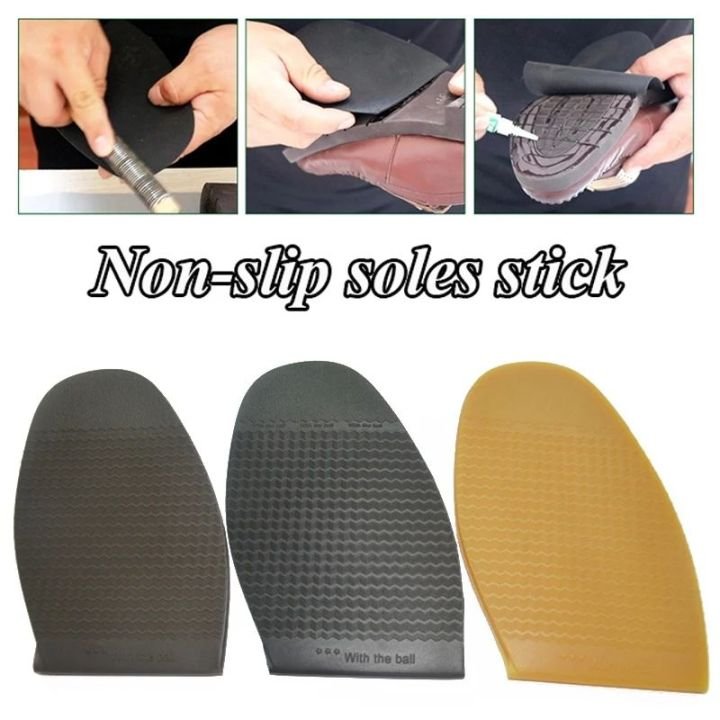
Their weakness is wet pavement. Leather can feel slippery, and it wears quickly on rough surfaces. Many owners add a thin rubber half-sole for grip.
Crepe, cork and studded rubber
- Crepe: soft natural rubber, comfortable but it attracts dirt and wears fast
- Cork: light and shock absorbing, common in footbeds and sandals
- Studded or lugged rubber: brands such as Vibram and Dainite-style soles add grip to boots and dress shoes
Material comparison at a glance
| Material | Grip | Weight | Durability | Cushion | Easy to resole |
|---|---|---|---|---|---|
| Rubber | High | Medium | High | Low to medium | Yes |
| EVA | Low to medium | Very light | Low to medium | High | Rarely |
| PU | Medium | Medium to heavy | High | Medium to high | Limited |
| TPU / TPR | Medium | Light to medium | Medium to high | Medium | Limited |
| Leather | Low when wet | Light | Medium | Low | Yes |
These are general characteristics. Exact performance depends on the compound and how the sole is built.
How Shoe Sole Are Attached
Construction decides whether a shoe sole can be repaired. Two shoes with the same rubber outsole can have very different futures.
- Cemented: the sole is glued to the upper. Common in sneakers and affordable shoes. Resoling is limited.
- Vulcanised: rubber is heat-bonded to the upper. Classic canvas sneakers from Converse and Vans use this method.
- Blake stitch: the shoe sole is stitched through the insole. Slim and resoleable.
- Goodyear welt: a strip (the welt) is stitched to the upper, and the shoe sole is stitched to the welt. Durable and easy to resole many times.
- Injection moulded: the shoe sole is moulded directly onto the upper. Common in boots and sandals, and hard to replace.
If you want shoes that last a decade, check the construction before you check the colour.
How to Choose the Right Shoe Sole
Use four questions in order.
- What surface will you walk on? Wet tile, concrete, trail, carpet or treadmill?
- What will you be doing? Standing all day, running, commuting or dressing up?
- Which material fits? Grip points to rubber. Light weight points to EVA. Long wear under load points to PU. Elegance points to leather.
- Can it be repaired? If you want to resole later, choose welted or stitched construction.
Quick matches by situation
- Standing eight hours or more: a cushioned PU or supportive rubber shoe sole with good arch support.
- Slippery or oily floors: a soft-compound rubber outsole with a siped or herringbone tread.
- Walking and travel: a flexible rubber outsole over an EVA or PU midsole.
- Running: an EVA-based midsole with a blown rubber outsole.
- Hiking: a lugged rubber outsole with a stiffer shank.
- Formal and office: leather, ideally with a rubber half-sole.
- Flat feet or high arches: a supportive midsole plus an insole chosen with a podiatrist’s guidance.
- Children: flexible, light TPR or rubber that bends easily at the forefoot.
Climate matters too
In rainy regions, grip and water resistance come first. In very hot places, pavement heat can soften some foams and weaken glue, so quality adhesives and breathable uppers help. In snowy regions, softer rubber with deeper lugs keeps its grip as temperatures drop.
Traction, Safety and Slip Resistance
Grip depends on three things working together: the rubber compound, the tread pattern and the surface. A deep tread in hard rubber can still slide on ice or polished stone.
Workplace footwear is often tested for slip resistance and marked to recognised standards, such as ASTM F2913 or the EN ISO 20347 family used for occupational shoes. If your job involves wet, oily or industrial floors, look for those markings rather than relying on appearance.
Signs Your Shoe Sole Is Worn Out
Wear shows up before failure. Check these signs every few weeks.
- Tread is smooth or flattened, especially at the heel or ball of the foot
- One side of the heel wears faster than the other
- The shoe sole is peeling away from the upper
- Cracks run across the forefoot
- The cushioning feels flat or hard
- You can feel the ground, or see a hole
- New foot, knee or hip discomfort starts with an old pair
Why does one side wear faster?
Uneven wear usually reflects how you walk. Many people land on the outer heel, and others roll inward. If uneven wear comes with pain, a podiatrist or gait assessment is worth the visit.
Why do shoe sole crumble in storage?
Polyurethane can break down through hydrolysis, a reaction with moisture in the air. A pair stored for years in a humid cupboard may crumble the first time you wear it, even though it looks new.
Store shoes cool, dry and ventilated, and do not buy very old PU-soled stock without checking it.
Repair, Resole or Replace?
The right choice depends on construction, condition and cost.
| Situation | Best move |
|---|---|
| Small peeling at the edge | Re-glue at home |
| Worn heel tip | Quick cobbler repair |
| Worn forefoot on welted shoes | Half-sole or full resole |
| Entire outsole worn, upper still good, stitched or welted | Full resole |
| Cemented sneaker with crushed foam | Replace the pair |
| Crumbling PU sole | Replace, or consult a specialist |
A useful rule of thumb: if the repair costs more than about half the price of a comparable new pair, replacing usually makes sense. For quality welted shoes that you love, resoling is often the better value.
Can you resole sneakers?
Sometimes. Vulcanised and some stitched sneakers can be resoled, but most modern cemented running shoes sole cannot, because the midsole foam wears out along with the outsole.
How to re-glue a peeling sole
- Clean both surfaces with a cloth and a little alcohol.
- Roughen shiny areas lightly with sandpaper.
- Apply a thin layer of flexible shoe adhesive to both sides.
- Wait until the glue turns tacky, following the label.
- Press the sole into place and clamp or tape it firmly.
- Leave it for about 24 hours before wearing.
Avoid super glue on flexing areas. It dries brittle and tends to crack.
Finding a cobbler near you
Search for “shoe sole repair near me” and read recent reviews. Ask for a quote before work begins, ask about warranty, and check whether the shop handles your shoe type, such as welted dress shoes or sports shoes. Heel bars, independent cobblers and mail-in resole services are all options.
What does it cost?
Prices vary by country, shoe brand and the job. As a general pattern, heel tips and glue repairs cost little, half-soles cost more, and full welted resoles sit at the higher end. Ask local cobblers for quotes rather than relying on a single figure.
Common Mistakes to Avoid
- Buying on looks and ignoring sole construction
- Wearing EVA running shoes on wet or rough work floors
- Waiting until the sole has a hole before acting
- Using the wrong glue
- Storing shoes damp or in heat
- Ignoring uneven wear that comes with pain
- Assuming every shoe can be resoled
Caring for Your Soles
Small habits stretch sole life considerably.
- Rotate between pairs so foam can recover
- Brush dirt out of the tread and wash with mild soap
- Dry shoes at room temperature, away from radiators
- Add a rubber half-sole to leather soles early
- Inspect soles regularly and fix small problems fast
- Replace running shoes by the brand’s guidance rather than waiting for visible damage
For Brands, Buyers and Sourcing Teams
If you are choosing sole materials for a product range, the same trade-offs apply, with extra pressure from cost and consistency.
- TPR is the value option for casual and children’s lines.
- EVA leads where lightness and cushioning matter most.
- PU sits in the premium tier for durable, supportive footwear.
- TPU adds abrasion resistance when a thin, tough outsole is needed.
Before ordering, ask suppliers about hardness (measured with a durometer), abrasion resistance, compression set and slip-resistance test results. Request samples, check minimum order quantities, and confirm how soles are bonded to the upper, since that affects both defects and repairability.
Sustainability is becoming part of the brief too. Recycled rubber, bio-based foams and designs that allow resoling all extend a shoe’s life and reduce waste.
Alternatives to Replacing Your Shoes
- Resole quality shoes instead of discarding them
- Add a rubber half-sole to leather soles for traction
- Use orthotic insoles to change support without changing the outsole
- Choose refurbishable footwear with welted or modular soles
- Try minimalist soles only if your feet are conditioned, and transition gradually
Frequently Asked Questions
1.What is the sole of a shoe called?
The outer layer that touches the ground is the outsole. The cushioning layer above it is the midsole. In everyday speech, people call the whole bottom unit the sole.
2.What is the best material for a shoe sole?
There is no single best. Rubber is best for grip and durability, EVA for light cushioning, PU for long wear under load, and leather for formal shoes.
3.How long do shoe soles last?
It depends on material, surface and how often you wear them. Daily walking on pavement wears soles faster than occasional use, so inspect tread and cushioning regularly.
4.Can you replace the sole of a shoe?
Often yes, especially with Goodyear-welted, Blake-stitched and many leather-soled shoes. Cemented and injection-moulded soles are harder and sometimes not worth repairing.
5.How do you fix a shoe sole that is coming off?
Clean and roughen both surfaces, apply flexible shoe adhesive to each, press them together, clamp them, and let the glue cure for about 24 hours.
6.Why do my shoe soles wear out so fast?
Soft foam, rough pavement, heavy daily use and your walking style all speed wear. Uneven wear can reflect gait patterns such as rolling inward or outward.
7.Is rubber or foam better for a sole?
They do different jobs. Rubber is better for grip and durability. Foam is better for cushioning and low weight. Many shoes combine both, with a rubber outsole over a foam midsole.
8.What is the most comfortable sole?
Comfort is personal, but EVA offers maximum cushioning and low weight, while PU adds steady support for long days on your feet.
9.What sole is best for standing all day?
A cushioned PU or supportive rubber sole with good arch support. Add slip-resistant tread if the floor is wet or oily.
10.How do I choose a sole for flat feet or wide feet?
Look for a stable midsole, a roomy toe box and a supportive footbed. If you have pain, ask a podiatrist about fitted insoles.
11.How do I clean a shoe sole?
Brush loose dirt from the tread, scrub with warm water and mild soap, rinse, and let the shoes dry at room temperature.
12.How long do running shoe soles last?
Foam cushioning usually fades before the tread does. Follow the brand’s mileage guidance and replace the shoes when they feel flat, even if the outsole looks fine.
Conclusion
The shoe sole controls grip, comfort and lifespan. Match the material to the surface and your activity, check how it is attached before you buy, and act early when wear appears.
A good starting move is simple: flip your most-worn pair today and check the tread, the heel and the cushioning. Then decide whether to re-glue, resole or replace, and choose your next pair using the four questions above.
Unfulfilled Points: a named expert or cobbler quote, original photos of worn soles and a labelled anatomy diagram could not be included without real sources or assets, and exact standard numbers should be verified before publishing.
These information are gathered from different surveys, medical tests and tech giants like google, Techradar, nymag and more. Our top priority is to provide you valuable information.
For More Details About Different Projectors Click Here